The debate over what to feed your dog has become increasingly complex. Walk into any pet store and you'll find aisle after aisle of kibble options, but increasingly you'll also encounter refrigerated sections stocked with fresh dog food. Online companies deliver fresh dog food directly to your door, making it easier than ever to switch from traditional kibble. But is fresh dog food actually better, or is it just a trendy premium option that doesn't deliver on its promises? The honest answer is more nuanced than marketing materials suggest.
Understanding What You're Comparing
Before determining what's "better," you need to understand what fresh dog food and kibble actually are and how they differ fundamentally.
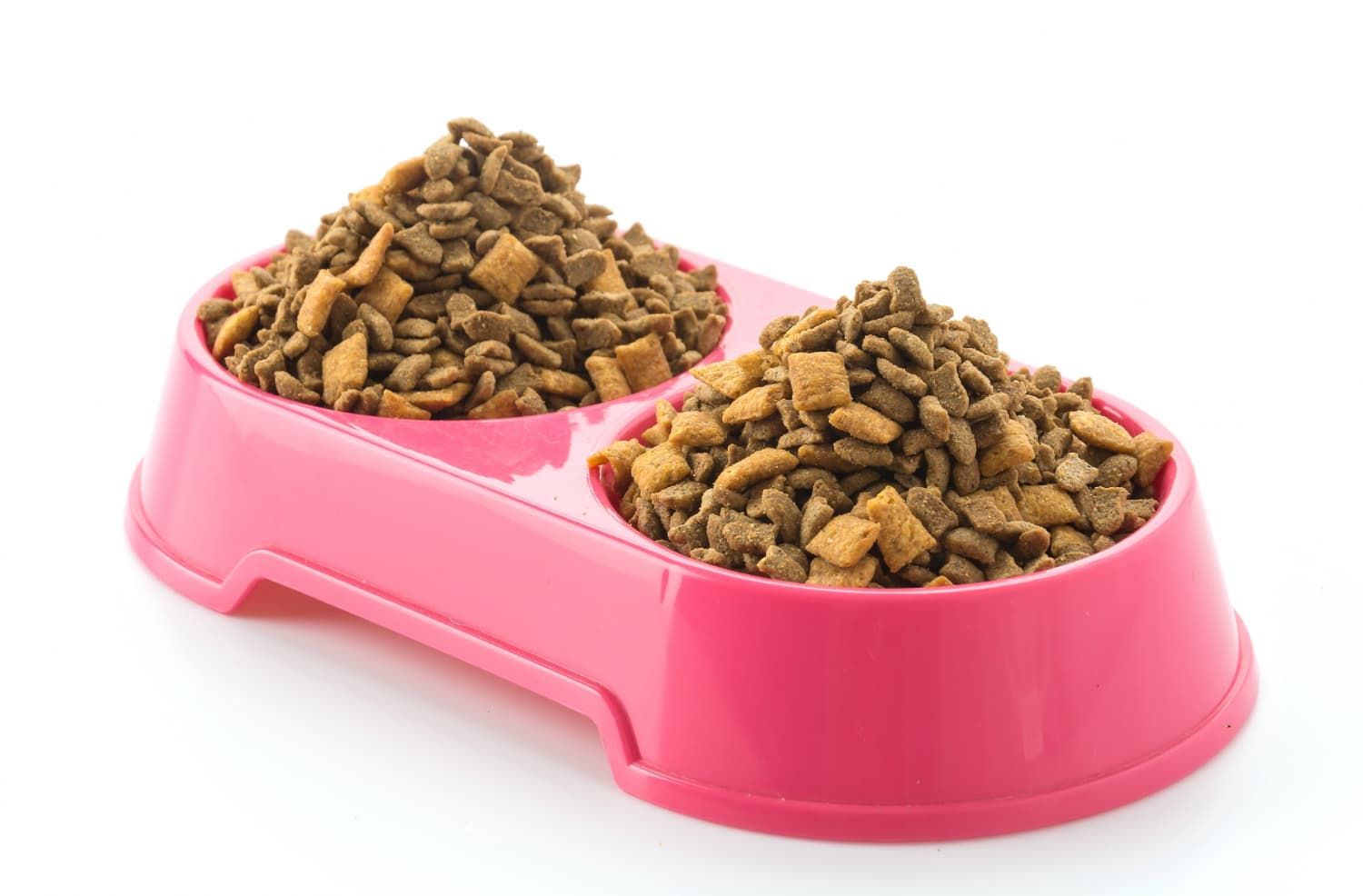
Kibble is dry dog food made through extrusion—ingredients are mixed, cooked at high temperatures, and pressed through dies that create the characteristic kibble shape. The moisture is then removed through drying, resulting in a shelf-stable product that can last months or years when stored properly.
Fresh dog food typically refers to refrigerated or frozen dog food made with minimally processed ingredients. These products generally contain higher moisture content and are often marketed as being closer to what dogs would eat in nature. Some fresh dog foods are cooked at lower temperatures than kibble, while others are raw.
Human grade dog food is fresh dog food made from ingredients that meet food safety standards for human consumption. This distinction matters because not all pet food ingredients are held to human food safety standards.
The fundamental differences drive most of the debate. Fresh dog food tends to contain higher moisture, less processing, and ingredients of higher quality grades. Kibble is more processed, shelf-stable, and convenient, but often contains lower-quality ingredients and more preservatives.
Nutritional Differences: The Reality
The most important question is whether fresh dog food actually provides better nutrition than kibble. This is where marketing narratives often diverge from scientific reality.
Quality matters more than form. A premium kibble made with high-quality ingredients and appropriate nutritional balance can be nutritionally superior to a poorly formulated fresh dog food. Conversely, a well-formulated fresh dog food made with human grade ingredients will outperform low-quality kibble.
Fresh dog food generally contains higher moisture content—anywhere from 60-75% water compared to kibble's typical 10-12%. This higher moisture content can be beneficial for hydration, particularly for dogs that don't drink enough water. However, on a dry matter basis (removing moisture to compare actual nutrients), the nutritional profiles between quality fresh dog food and quality kibble can be surprisingly similar.
The digestibility argument claims fresh dog food is more digestible and bio-available than kibble. There's some truth here—minimally processed foods are often more digestible than highly processed kibble. However, high-quality kibble manufacturers have made significant advances in digestibility. The difference may be smaller than marketing suggests.
Ingredient quality genuinely does differ. Human grade dog food uses ingredients meeting human food safety standards. Kibble ingredients sometimes include by-products and lower-grade ingredients acceptable for pet food but not human food. Whether this difference translates to meaningful health benefits depends on the specific products being compared.
The bottom line: fresh dog food can offer nutritional advantages over low-quality kibble, but premium kibble can be nutritionally comparable to fresh dog food. Comparing specific products matters more than comparing categories.
Digestive Health and Your Dog's Response
Many dog owners report their dogs show improved digestion after switching to fresh dog food. This could reflect several factors—not necessarily that fresh food is inherently superior.
Dogs often experience digestive upset when switching foods too quickly. Many people switching to fresh dog food take time to introduce it gradually, which reduces digestive issues. Simultaneously improving digestive health could be partly attributable to the gradual transition rather than the fresh food itself.
Fresh dog food often contains different ingredient profiles than your dog's previous kibble—perhaps fewer artificial ingredients, different protein sources, or added whole foods. Any of these changes could improve digestion independent of the fresh versus kibble distinction.
Some dogs genuinely do show improved digestion on fresh dog food. Others show no difference. A small percentage actually develop digestive issues on fresh dog food. Individual variation is substantial.
If your dog has chronic digestive issues, switching to fresh dog food might help—but so could switching to premium kibble with a limited ingredient list or novel protein sources. The specific ingredients matter more than whether food is fresh or kibble.
The Cost Reality Check
Let's be direct: fresh dog food is significantly more expensive than kibble. Quality fresh dog food costs roughly 3-5 times more than comparable kibble. For owners of large dogs, the monthly expense can be substantial.
The question isn't whether fresh dog food costs more—it clearly does. The question is whether you get meaningful health benefits justifying the higher cost. For many dogs, the honest answer is no. A well-fed dog on quality kibble will often be just as healthy as a dog on fresh dog food.
For dogs with specific health conditions, persistent digestive issues, or allergies that fresh dog food addresses, the higher cost might be justified. For generally healthy dogs thriving on quality kibble, the premium might not be necessary.
Convenience and Lifestyle Factors
Kibble offers unmatched convenience. It requires no preparation, lasts indefinitely when stored properly, and is available everywhere. You can easily take kibble when traveling or boarding your dog.
Fresh dog food requires refrigeration or freezing, proper portioning, and more planning. If you miss a delivery or forget to thaw food, you have a problem. Travel with fresh dog food is complicated. Long-term storage isn't possible.
For busy owners or those with tight schedules, kibble's convenience advantage is real. For owners who enjoy meal preparation and have structured routines, fresh dog food's requirements aren't burdensome.
Lifestyle factors legitimately matter. Choose whichever feeding method you'll actually maintain consistently. A dog fed quality kibble consistently is healthier than a dog whose owner starts with fresh dog food but eventually switches back to kibble because managing fresh food became too complicated.
Safety and Quality Control Considerations
Human grade dog food must meet food safety standards for human consumption. This theoretically means superior safety standards. However, dog food manufacturing—whether kibble or fresh—is subject to FDA oversight and pet food safety regulations.
Quality kibble manufacturers maintain rigorous quality control and safety standards. The difference in safety between premium kibble and human grade fresh dog food might be smaller than marketing suggests.
That said, some fresh dog food companies maintain exceptional quality standards, and some kibble manufacturers cut corners. The manufacturing company's reputation and practices matter more than category.
One legitimate concern with raw fresh dog food is bacterial contamination. Raw diets carry higher contamination risk than cooked foods. If you choose raw fresh dog food, understanding and managing contamination risks is important.
Health Outcomes: What Does the Evidence Show?
The most relevant question is whether fresh dog food actually produces better health outcomes. Unfortunately, robust scientific data directly comparing fresh dog food to kibble on long-term health outcomes is limited.
Some dogs show dramatic improvements in coat quality, energy levels, and general health after switching to fresh dog food. Others show no difference. A small percentage actually show worse health outcomes on fresh dog food.
Without controlled research comparing identical dogs on identical nutrients delivered in fresh versus kibble form, it's difficult to determine whether benefits result from freshness, ingredient quality, nutritional differences, or other factors.
Many healthy dogs thrive on quality kibble throughout long lives. This suggests kibble isn't inherently inferior for dog health. Conversely, many dogs clearly benefit from fresh dog food. This suggests fresh food offers legitimate advantages for some dogs.
Individual variation in how dogs respond to different foods is substantial. Genetics, current health status, activity level, and other factors influence which diet produces optimal health for your specific dog.
Special Situations Where Fresh Dog Food Shines
While fresh dog food isn't universally superior, certain situations make it a worthwhile consideration.
Dogs with chronic digestive issues often respond better to fresh dog food with novel protein sources and minimal additives. If your dog has persistent diarrhea or food sensitivities unresponsive to premium kibble, fresh dog food is worth trying.
Senior dogs sometimes show improved vitality on fresh dog food, potentially because higher moisture content supports kidney function and the high-quality ingredients support nutrient absorption.
Dogs with specific health conditions—arthritis, kidney disease, or other issues—sometimes benefit from fresh dog food formulated for their condition, though prescription diets exist in both fresh and kibble formats.
Overweight dogs might lose weight more successfully on fresh dog food because higher moisture content allows larger meal volumes with fewer calories.
Dogs with poor appetite or picky eating habits sometimes eat better with fresh dog food's appealing smell and texture.
Making the Practical Choice for Your Dog
Rather than assuming one feeding method is universally better, evaluate your individual dog's situation.
Consider your dog's current health status. A healthy dog thriving on quality kibble might not need fresh dog food. A dog with digestive issues, weight problems, or chronic health conditions might genuinely benefit.
Evaluate your actual budget and lifestyle. Be honest about whether you can sustainably afford and manage fresh dog food long-term. Switching back and forth between foods is stressful for dogs and defeats the purpose.
Try a transition period. If considering switching, introduce fresh dog food gradually while monitoring your dog's response over 4-8 weeks. Real changes in energy, coat quality, digestive health, or body condition become apparent within this timeframe.
Focus on quality over category. Whether choosing kibble or fresh dog food, prioritize overall quality. Read ingredient lists, research manufacturers, and understand what you're feeding. Premium kibble is better than poor-quality fresh dog food.
Work with your veterinarian. Your vet understands your dog's individual nutritional needs. Rather than making feeding decisions based on trends or marketing, discuss options with a professional who knows your dog.
Hybrid Approaches: Mixing Fresh and Kibble
You don't have to choose exclusively between fresh dog food and kibble. Many dog owners successfully blend both—perhaps feeding fresh dog food as a base with some kibble mixed in, or alternating between them.
Mixing can offer compromise benefits—some nutritional advantages of fresh food without the full cost or convenience challenges. It also reduces digestive upset from switching foods since your dog becomes accustomed to both.
The Environmental and Ethical Consideration
Fresh dog food often comes with less packaging than kibble, appealing to environmentally conscious owners. However, the refrigeration and frozen shipping required for fresh dog food carries environmental costs too.
Some owners prefer supporting companies emphasizing ethical ingredient sourcing and manufacturing practices. These values sometimes align with fresh dog food companies but aren't inherent to fresh versus kibble.
Consider your values alongside practical factors when making feeding decisions.
Red Flags in Fresh Dog Food Marketing
Be skeptical of marketing claims that seem too good to be true. Claims that fresh dog food "cures" health conditions, eliminates the need for veterinary care, or dramatically transforms health in days are exaggerated.
Legitimate fresh dog food companies make reasonable claims about ingredient quality and nutritional benefits. They acknowledge that individual dogs respond differently and recommend veterinary consultation for dogs with health issues.
Conclusion: So What's Actually Better?
The honest answer is that neither fresh dog food nor kibble is universally "better." The best diet is the one appropriate for your individual dog's needs, health status, and your realistic ability to provide it consistently.
Premium kibble can be an excellent, convenient, and affordable option for healthy dogs. Fresh dog food can offer meaningful benefits for dogs with specific health needs, digestive sensitivities, or for owners who prioritize freshness and ingredient quality.
Rather than getting caught up in which category is superior, focus on understanding your individual dog's nutritional needs, evaluating specific products regardless of category, and choosing the option you can sustain long-term while supporting your dog's actual health.
A dog fed quality kibble consistently throughout a long life is healthier than a dog whose owner switches frantically between feeding methods based on trends. Similarly, a dog benefiting from fresh dog food formulated for their specific needs might show better health outcomes than on kibble.
The right choice isn't determined by which product category is better. It's determined by which option best matches your dog's individual needs, your lifestyle, and your budget. Work with your veterinarian, observe your individual dog's response, and make informed decisions based on your specific situation rather than marketing narratives about which feeding method is superior.