If you've ever wondered whether your dog is truly thriving or just getting by, you're not alone. Pet owners everywhere grapple with the question: Is my dog healthy and happy? The answer isn't always obvious, especially when multiple factors affect your pet's wellbeing. That's where FIDO scores come in—a comprehensive framework designed to give you a clear picture of how well your dog is doing across the areas that matter most.
What Exactly Are FIDO Scores?
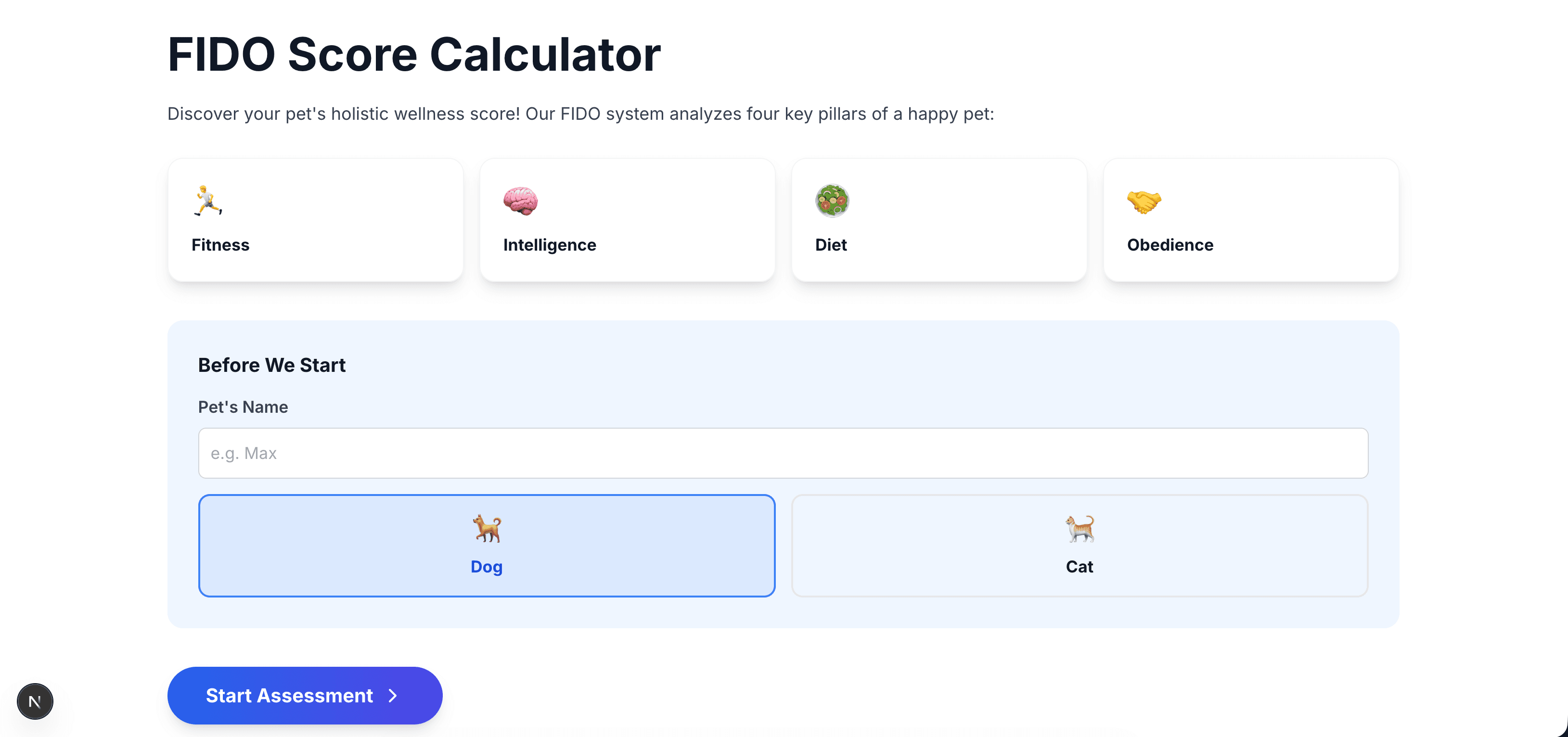
FIDO scores represent a holistic approach to evaluating your pet's overall health and quality of life. The acronym breaks down into four critical dimensions: Fitness, Intelligence, Diet, and Obedience. Rather than focusing on just one aspect of your dog's health, FIDO scores encourage pet owners to think about the complete picture—physical conditioning, mental engagement, nutritional intake, and behavioral development.
Think of FIDO scores as a personal wellness report card for your pet. Just as humans benefit from balanced exercise, mental challenge, good nutrition, and healthy habits, dogs thrive when all four of these elements work in harmony. The beauty of this system lies in its simplicity. Instead of juggling veterinary reports, training notes, and nutrition guidelines, you can assess your dog's wellbeing through one integrated framework.
Try this FIDO score calculator: FIDO Score Calculator
Breaking Down the Four Pillars
Fitness: More Than Just Daily Walks
When we talk about fitness in the FIDO system, we're referring to your dog's physical conditioning and activity level. A fit dog isn't necessarily one that runs marathons; rather, it's a dog that maintains an appropriate activity level for its age, breed, and health status.
A strong fitness score indicates your dog gets regular exercise tailored to their needs. A young Border Collie might need vigorous activity and mental challenges, while a senior Cavalier King Charles Spaniel benefits from gentle, consistent movement that keeps joints mobile without causing stress. The key is consistency and appropriateness.
Dogs with excellent fitness scores typically display healthy muscle tone, maintain proper weight, have good cardiovascular endurance, and show enthusiasm during playtime. They bounce back quickly from physical activity and don't seem perpetually exhausted. Regular, structured exercise not only keeps your dog's body in shape but also prevents obesity-related health complications like diabetes and joint disease.
Intelligence: Nurturing Your Dog's Mind
Intelligence in the FIDO framework refers to mental stimulation and cognitive engagement. Your dog's brain needs exercise just as much as their body does, and a mentally stimulated dog is typically a happier, more content companion.
Dogs scoring well in intelligence have regular opportunities for problem-solving, exploration, and learning. This might include puzzle toys, training sessions, scent work, or interactive games that make them think and figure things out. A dog that's mentally engaged displays better behavior, fewer destructive tendencies, and generally seems more confident and content.
The Intelligence component recognizes that boredom is one of the primary drivers of behavioral problems. A dog left alone with nothing to do will often create their own entertainment—usually in ways you won't appreciate, like chewing your shoes or excavating your garden. By contrast, a dog whose mind is regularly challenged shows remarkable emotional balance and behavioral stability.
Diet: Fueling Your Dog's Health
The Diet component of FIDO scores focuses on nutrition—what your dog eats and whether it meets their individual needs. This goes beyond simply buying any dog food; it's about ensuring your dog receives appropriate nutrition for their age, size, activity level, and any health conditions they might have.
A strong diet score means your dog gets consistent, balanced meals with appropriate protein, fat, carbohydrates, and micronutrients. It means their food supports their overall health goals—whether that's maintaining a healthy weight, supporting athletic performance, managing allergies, or addressing specific health concerns.
The diet component also considers how feeding fits into your dog's overall lifestyle. Does your dog get appropriate treats without overindulgence? Are meals given at consistent times? Does your dog maintain a healthy body condition as a result of their current diet? These practical considerations matter more than following any particular diet trend. Working with your veterinarian to assess whether your dog's current nutrition aligns with their health needs is essential.
Obedience: Building Trust and Communication
Obedience in the FIDO system isn't about dominance or harsh discipline—it's about clear communication and training. A dog with a strong obedience score understands basic commands, responds reliably to their owner, and exhibits good behavioral control in various situations.
This component reflects the foundation of a safe, happy relationship between you and your dog. Obedience training gives your dog confidence, clarifies expectations, and creates a shared language between you. A dog that knows what's expected and can follow commands feels more secure and secure dogs make better family companions.
Strong obedience doesn't mean your dog is robotic or overly controlled. Rather, it means they've learned to work cooperatively with you, they understand boundaries, and they can navigate the world safely. This makes trips to the vet, visits with friends, and public outings far more pleasant for everyone involved.
How FIDO Scores Help You Be a Better Pet Owner
The real value of understanding FIDO scores lies in the insights they provide. By evaluating your dog across these four dimensions, you gain clarity about where your pet is thriving and where they might need more support.
Maybe you discover that while your dog gets plenty of exercise, they're not getting enough mental stimulation—something a few puzzle toys or training sessions could address. Perhaps you realize your dog's diet needs adjustment to better support their fitness goals. Or maybe behavioral issues are rooted in something as simple as insufficient exercise or mental engagement.
FIDO scores essentially serve as a diagnostic tool. Instead of randomly trying different strategies to improve your dog's behavior or health, you can identify specific gaps and address them systematically. This targeted approach typically yields better results than general approaches.
The Research Behind Holistic Pet Wellness
Veterinary and behavioral research consistently demonstrates that dogs thriving across all four FIDO dimensions show better long-term health outcomes. Studies indicate that dogs receiving appropriate exercise, mental stimulation, proper nutrition, and behavioral training experience fewer health issues, live longer lives, and demonstrate fewer behavioral problems than dogs lacking in one or more areas.
This aligns with what experienced veterinarians have observed for decades: the healthiest, happiest dogs are those whose owners take a comprehensive approach to their care rather than focusing narrowly on any single aspect.
Assessing Your Dog's FIDO Scores
You don't need fancy equipment or professional testing to evaluate your dog's FIDO scores. Instead, consider these practical questions:
Fitness: Does your dog get regular, appropriate exercise? Do they maintain a healthy weight? Do they have good muscle tone and energy levels suited to their age and breed?
Intelligence: Does your dog have regular opportunities for mental stimulation? Do you engage in training or play activities that make them think? Do they seem engaged with their environment or perpetually bored?
Diet: Is your dog eating appropriate, balanced meals? Do they maintain healthy body condition? Have you discussed their nutrition with your veterinarian recently? Are treats reasonable and measured?
Obedience: Does your dog respond reliably to basic commands? Can you take your dog out in public comfortably? Does your dog understand house rules and boundaries?
If you're answering "not really" to multiple questions in any category, that's your signal to focus attention there. The good news is that improvements in any one area often create positive ripple effects across the others.
Practical Steps to Improve Your Dog's FIDO Scores
Enhancing your dog's scores doesn't require a complete life overhaul. Small, consistent improvements often yield remarkable results.
For Fitness, commit to regular exercise appropriate for your dog's age and breed. This might mean daily walks, regular play sessions, or participation in dog sports. Even 30 minutes of consistent daily activity makes a profound difference.
For Intelligence, introduce one new enrichment activity each week. Puzzle toys, sniff games, basic training sessions, or exploring new environments all provide mental stimulation. You'll likely notice behavioral improvements within weeks.
For Diet, schedule a conversation with your veterinarian about whether your current feeding approach supports your dog's goals. Sometimes small adjustments—like reducing treats, switching to a different food, or adjusting portion sizes—make significant differences.
For Obedience, even 10 minutes of daily training work with positive reinforcement builds communication and trust. You don't need a professional trainer, though they can certainly help. Consistency matters more than intensity.
Try this FIDO score calculator: FIDO Score Calculator
Common FIDO Score Challenges
Many pet owners find that one or two FIDO components are strong while others lag. A dog with excellent obedience might lack physical fitness. A highly energetic dog might not get enough mental stimulation despite lots of exercise. Recognizing these patterns helps you tailor your approach.
Perhaps your work schedule makes consistent fitness challenging. Maybe your living situation limits options for physical exercise. Financial constraints might affect your ability to provide premium nutrition or professional training. Rather than feeling defeated by these limitations, focus on what you can realistically improve. Even modest enhancements to weaker areas often translate to significant improvements in your dog's overall wellbeing.
Conclusion
FIDO scores offer a practical, comprehensive framework for understanding and improving your dog's quality of life. By considering fitness, intelligence, diet, and obedience together, you gain insight into what your dog genuinely needs to thrive.
You don't need to achieve perfect scores in every category. Instead, think of FIDO as a guide for making informed decisions about your dog's care. A dog with solid scores across all four dimensions—not necessarily perfect, but consistently good—is a dog positioned for a long, healthy, and genuinely happy life.
Start by honestly assessing where your dog stands right now. Then pick one area where you can realistically make improvements. Whether it's adding a puzzle toy, extending a daily walk, adjusting portions, or working on basic commands, you're already moving in the right direction. Your dog will thank you for it.
References and Citations
- American Veterinary Medical Association (AVMA). "Comprehensive Pet Wellness Guidelines." 2024.
- American Kennel Club (AKC). "Canine Health and Behavior Standards." 2024.
- Journal of Veterinary Behavior. "Holistic Approaches to Canine Wellness." 2023.
- Pet Care Services Association. "Integrated Pet Health Assessment Standards." 2024.