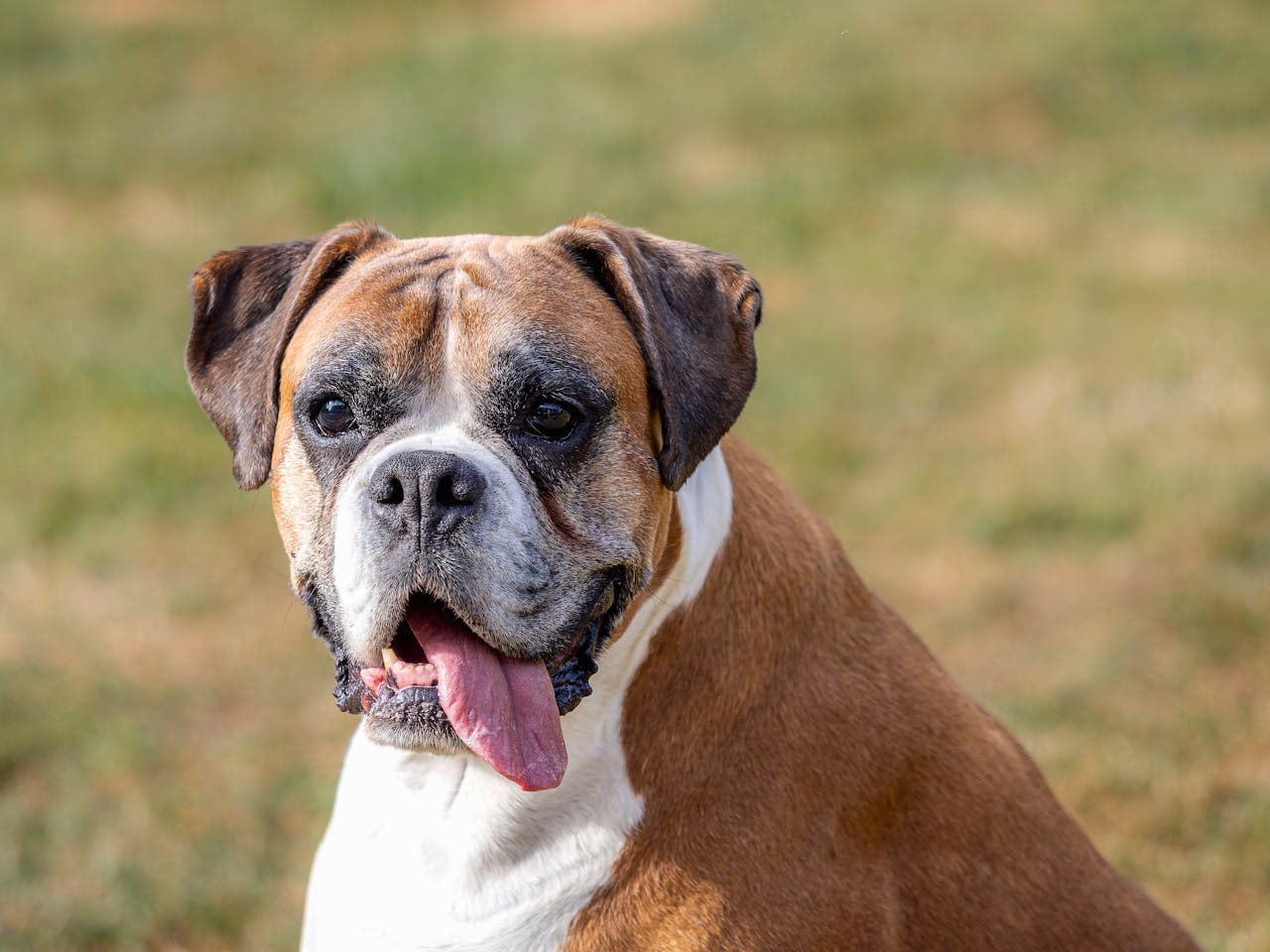
The Boxer is a medium-to-large, athletic working breed known for its square build, alert expression, and boundless enthusiasm. Bred originally in Germany from powerful mastiff-type dogs, Boxers were used for hunting large game, guarding property, and serving as all-purpose working dogs. Today, they’re most famous as affectionate, fun-loving companions with a natural instinct to watch over their home and family.
According to the American Kennel Club (AKC), Boxers have long ranked among the most popular dog breeds in the United States thanks to their playful nature, loyalty, and adaptability to active family life. When given consistent training, plenty of exercise, and daily companionship, Boxers typically grow into exuberant yet well-mannered dogs that excel as watchdogs, sport partners, and devoted family members.
Breed History & Origin
The Boxer's roots trace back to 19th-century Germany, where breeders developed the modern Boxer from the now-extinct Bullenbeisser (a large hunting dog) crossed with early English-type Bulldogs and other mastiff-type dogs. These ancestors were used to hold large game such as boar and bear, as well as to guard estates and farms. Over time, breeders refined the Boxer into a more agile, square-built, and trainable dog with a distinctive head and undershot jaw.
In the early 20th century, Boxers served as messenger, pack, and guard dogs during wartime, which helped demonstrate their intelligence, courage, and versatility. The AKC recognized the Boxer in 1904, and the American Boxer Club was founded shortly thereafter as the breed’s parent club in the United States. Today, Boxers remain popular as family companions, show dogs, and competitors in obedience, agility, and other canine sports, while still retaining their heritage as reliable watchdogs.
Physical Characteristics & Breed Standards
Boxers are strong, squarely built dogs with a deep chest, powerful hindquarters, and a short, tight coat. The AKC breed standard describes them as medium to large in size, with a balanced outline and proud, noble carriage. Their characteristic broad muzzle, undershot jaw, and expressive eyes give them a unique, alert, and often comical appearance. Despite their muscular build, Boxers should move with effortless, agile strides that reflect their working heritage.
| Characteristic | Male | Female |
|---|---|---|
| Height | 23–25 inches | 21.5–23.5 inches |
| Weight | 65–80 pounds (varies by build) | 50–65 pounds (varies by build) |
| Lifespan | 10–12 years (on average) | |
| Coat Type | Short, smooth, tight-fitting coat; lies close to the body | |
| Common Colors | Fawn or brindle, typically with a black mask; may have white markings (flashy or plain) | |
Key Physical Features: Boxers have a distinct head with a broad, blunt muzzle and pronounced stop, along with an undershot jaw that gives them their characteristic expression. Their dark, soulful eyes and high-set ears (cropped or natural, depending on regional practices) contribute to their alert, inquisitive look. The body is compact and powerful with a deep chest and well-muscled hindquarters. Because of their short muzzle (brachycephalic structure), Boxers can be sensitive to heat and should not be overexerted in hot, humid weather.
Temperament & Personality
Boxers are often described as “eternal puppies” because many retain a playful, clownish attitude well into adulthood. They are energetic, outgoing, and typically very people-focused. When well-bred and socialized, Boxers are affectionate with their families and usually enjoy being right where the action is—whether that's playing in the yard, going on a jog, or lounging at your feet after a busy day.
This breed also has a natural protective instinct. Boxers tend to be alert, watchful, and ready to sound the alarm if something seems off. They may be wary of unfamiliar people at first but are generally friendly and accepting once properly introduced. Early, positive socialization helps ensure that their protective nature stays balanced and confident rather than fearful or overreactive.
Because Boxers are strong, athletic dogs with a lot of enthusiasm, they can be boisterous if not taught good manners. Jumping up, rough play, and pulling on leash are common early challenges. Consistent training, clear boundaries, and appropriate outlets for their energy are essential. When given guidance and attention, Boxers become charming companions with a great sense of humor and deep loyalty to their families.
Exercise Requirements by Life Stage
Boxers are high-energy working dogs that require daily exercise and mental engagement to stay fit and well-behaved. Without enough activity, they can develop nuisance behaviors such as hyperactivity, chewing, digging, or excessive barking. At the same time, their brachycephalic structure means owners must be thoughtful about exercising them safely, especially in hot weather—avoiding intense activity during the heat of the day and monitoring for signs of overheating.
| Life Stage | Daily Exercise | Recommended Activities |
|---|---|---|
| Puppies (8 weeks - 12 months) | 5 minutes per month of age, 2x daily (structured activity) | Short walks, gentle play, basic obedience, socialization, controlled meet-and-greets; avoid forced running or jumping on hard surfaces |
| Adults (1-7 years) | 60–90 minutes total, broken into sessions | Brisk walks, jogging in cool weather, fetch, structured play, obedience training, agility, scent games, flirt pole play, and interactive toys |
| Seniors (7+ years) | 30–60 minutes, adjusted for health and mobility | Gentle walks, light play, low-impact games, food puzzles, sniff walks, and short training sessions to keep the mind sharp |
Mental Exercise: In addition to physical outlets, Boxers benefit greatly from mental challenges. Incorporate puzzle feeders, trick training, nosework, short obedience sessions, and interactive play into their daily routine. Many Boxers enjoy agility, rally, obedience, and other structured activities that allow them to use both their brains and their bodies in partnership with their owners.
Grooming & Maintenance Schedule
Boxers have a short, smooth coat that lies close to the body and is relatively low-maintenance compared to many longer-coated breeds. They do shed year-round, with periods of heavier seasonal shedding, but regular brushing helps keep loose hair under control and supports healthy skin. Routine care such as nail trimming, ear checks, and dental hygiene remain important parts of their grooming schedule.
| Grooming Task | Frequency | Tools/Notes |
|---|---|---|
| Brushing (regular season) | 1–2 times per week | Rubber curry brush or grooming mitt to remove loose hair and stimulate the skin |
| Brushing (shedding season) | Several times per week | Rubber curry brush or de-shedding tool; short, frequent sessions can be helpful |
| Bathing | Every 4–8 weeks or as needed | Gentle dog-specific shampoo; avoid overbathing to prevent dry skin |
| Nail trimming | Every 2–3 weeks | Use clippers or a grinder; nails should not click loudly on hard floors |
| Ear cleaning | Weekly check, clean as needed | Veterinary ear cleaner and cotton balls; watch for redness, odor, or discharge |
| Dental care | Daily (ideal) or at least 3x per week | Dog toothbrush and toothpaste; consider dental chews or water additives as recommended by your veterinarian |
Nutrition & Feeding Guidelines
Proper nutrition is essential to support the Boxer's muscular build, energetic nature, and long- term health. As athletic, medium-to-large working dogs, Boxers typically do best on high-quality diets that prioritize animal-based protein, appropriate fat levels, and balanced vitamins and minerals. Always consult your veterinarian to tailor feeding to your individual dog’s age, activity level, and health status.
| Life Stage | Protein | Fat | Daily Amount (Dry Food) | Meals/Day |
|---|---|---|---|---|
| Puppies (2–12 months) | 22–26% | 10–16% | Varies by age/weight; follow veterinary guidance and food label recommendations for large breeds | 3–4 |
| Adults (moderately active) | 18–24% | 8–14% | ~2–3.5 cups (split into meals), adjusted for body condition and activity | 2 |
| Adults (highly active/working) | 24–30% | 12–18% | ~3–4 cups or more, tailored to workload and monitored with regular body condition checks | 2–3 |
| Seniors (7+ years) | 18–22% | 8–12% | 1.5–3 cups, adjusted for reduced activity, muscle maintenance, and any medical needs | 2 |
Essential Nutritional Considerations: Choose formulas that list high-quality animal proteins (such as chicken, beef, lamb, or fish) as the first ingredient. Omega-3 and Omega-6 fatty acids support healthy skin, coat, and joint function, which is especially important for active, muscular dogs like Boxers. Some individuals may benefit from joint supplements or cardiac-supportive formulations—your veterinarian can guide you based on your dog's risk factors and health screenings.
Bloat & Digestive Care: Boxers are deep-chested and may be at increased risk for gastric dilatation-volvulus (GDV or bloat). To help reduce risk, divide daily food into two or more meals, discourage rapid gulping (slow-feeder bowls can help), and avoid strenuous exercise for about an hour before and after meals. Always seek emergency veterinary care immediately if you suspect bloat or sudden abdominal distress.
Health Considerations & Genetic Screening
Boxers are generally robust, athletic dogs, but like all purebred breeds, they are predisposed to certain inherited and breed-related conditions. Responsible breeders use health testing, pedigree analysis, and careful selection to reduce the likelihood of these problems. Prospective owners should understand common Boxer health concerns and always request official health clearances for breeding dogs and puppies.
Common Health Conditions
| Condition | Prevalence | Description |
|---|---|---|
| Hip Dysplasia | Moderate breed risk | Abnormal development of the hip joint that can lead to arthritis, pain, and reduced mobility |
| Congenital Heart Disease (e.g., Aortic Stenosis) | Important breed concern | Narrowing of the aortic valve or other structural heart issues that can cause murmurs, exercise intolerance, or serious cardiac problems |
| Boxer Cardiomyopathy (Arrhythmogenic Right Ventricular Cardiomyopathy – ARVC) | Significant breed-specific risk | Heart muscle disease that can cause irregular heart rhythms, fainting spells, or sudden cardiac death; often screened via Holter monitoring and cardiac evaluation |
| Cancer (e.g., Mast Cell Tumors, Lymphoma) | Notable breed concern, especially in middle-aged to older dogs | Various malignancies can occur; regular veterinary checkups and prompt evaluation of new lumps or changes are important |
| Brachycephalic Airway Syndrome & Heat Intolerance | Common brachycephalic concern | Shortened muzzle can lead to noisy breathing, snoring, and difficulty cooling; careful heat management and weight control are essential |
| Degenerative Myelopathy (DM) | Recognized hereditary risk in the breed | Progressive spinal cord disease that leads to hind limb weakness and paralysis; DNA testing is available to identify risk status |
AKC Recommended Health Screenings
The AKC and the American Boxer Club recommend health testing for breeding dogs to support the long- term health of the breed. When purchasing a Boxer puppy from a breeder, ask for copies of official health clearances from recognized authorities:
| Screening Test | Testing Authority | Purpose |
|---|---|---|
| Hip Evaluation | OFA or PennHIP | Screen for hip dysplasia and assess joint quality for breeding and long-term mobility |
| Cardiac Evaluation (including Echocardiogram) | OFA and/or board-certified veterinary cardiologist | Detect congenital and acquired heart disease such as aortic stenosis and cardiomyopathy |
| ARVC / Boxer Cardiomyopathy DNA Testing and/or Holter Monitoring | OFA or other approved laboratory; 24-hour Holter monitor interpreted by a cardiologist | Identify genetic risk and/or abnormal heart rhythms associated with Boxer cardiomyopathy |
| Degenerative Myelopathy (DM) DNA Test | OFA or other approved laboratory | Determine whether a dog is clear, carrier, or at-risk for DM to inform breeding decisions |
| Thyroid Evaluation | OFA or certified veterinary laboratory | Screen for autoimmune thyroiditis and hypothyroidism, which can affect energy, weight, and coat quality |
Training & Socialization
Boxers are intelligent, eager, and often very motivated by play and attention. They usually learn quickly but can also be a bit stubborn or easily distracted, especially when they are young and full of energy. This combination makes early, consistent training essential to channel their enthusiasm into good manners rather than chaos.
Early Socialization: Begin socialization as early as your veterinarian advises, often between 3–14 weeks of age. Carefully expose your Boxer puppy to different people, calm children, friendly dogs, sights, sounds, and environments. Positive experiences during this period help prevent fearfulness and support the development of a confident, stable adult who can handle busy households, visitors, and new situations with ease.
Training Approach: Positive reinforcement methods work best for Boxers. Use food, toys, praise, and play to reward desirable behaviors. Boxers are sensitive to their people and may shut down or become anxious with harsh corrections. Short, upbeat training sessions that mix obedience exercises, tricks, and games keep them engaged and strengthen the bond between dog and handler. Focus early on polite greetings, loose-leash walking, impulse control, and reliable recalls.
Recommended Training Programs: Puppy kindergarten and basic manners classes are strongly recommended. Many Boxers go on to earn titles such as AKC S.T.A.R. Puppy, Canine Good Citizen (CGC), and Community Canine (CGCA). They often enjoy and excel in activities like rally, agility, obedience, scent work, and even dock diving. These outlets provide excellent mental and physical exercise while reinforcing obedience and teamwork.
Working Roles & Capabilities
Boxers were originally bred as versatile working dogs, and that history is still evident in their athleticism, courage, and intelligence. While most Boxers today are primarily family companions, many still thrive when given meaningful jobs or structured activities:
- Guarding & Watchdog Duties: Boxers have a natural instinct to protect their homes and families. They are typically quick to alert to unusual sights or sounds and can be formidable deterrents simply by presence and voice.
- Dog Sports: The breed's agility, strength, and enthusiasm make them good candidates for obedience, rally, agility, and other sports. Their playful nature means training can be both effective and fun when handled with patience and consistency.
- Search & Rescue / Detection: Some Boxers have been trained for search and rescue, tracking, and scent detection work, leveraging their keen noses and stamina.
- Therapy & Emotional Support: With the right temperament and training, Boxers can make excellent therapy dogs, offering comfort and companionship in hospitals, schools, and other settings.
- Service & Assistance Roles: While less common than some other breeds, carefully selected Boxers may serve as medical alert or psychiatric service dogs, particularly when paired with experienced trainers and handlers.
- Active Family Companions: Above all, most Boxers today are beloved family dogs who join their people on hikes, runs, play sessions in the yard, and everyday adventures. Their “velcro” nature means they are happiest when they can stay close to their humans.
Frequently Asked Questions
Are Boxers good family dogs?
Yes, Boxers can be excellent family dogs, especially for active households that enjoy play and outdoor time. They are typically affectionate, loyal, and playful with their people, and many develop close bonds with children. Because they are strong and energetic, supervision and training are important around small kids to prevent accidental knocking over during excited play. Early socialization and clear boundaries help Boxers become gentle, reliable family companions.
How much does a Boxer puppy cost?
Boxer puppy prices vary depending on region, breeder reputation, pedigree, and whether parents have extensive health testing and show or performance titles. From responsible breeders who prioritize health and temperament, puppies commonly range from about $1,000–$2,500 or more. Puppies from proven show or working lines may be higher. Be cautious of unusually low prices, which may indicate a lack of health screening, poor breeding practices, or puppy-mill–style operations.
Do Boxers shed a lot?
Boxers have short coats but are moderate shedders. They shed year-round, with heavier shedding during seasonal coat changes. Weekly brushing (and more frequent brushing during heavy shed periods) helps remove loose hair and keep the coat shiny. Prospective owners should be comfortable with some dog hair on clothing, upholstery, and floors despite the short coat.
Are Boxers aggressive?
Well-bred, well-socialized Boxers are generally not aggressive without cause. The breed standard calls for a temperament that is confident, alert, and dignified—never timid or vicious. They do have a natural protective instinct and can be suspicious of strangers, which is why early socialization and clear training are so important. As with any breed, poor socialization, fear, pain, or harsh handling can contribute to behavior problems, so positive, consistent training and responsible ownership are key.
Can Boxers live in apartments?
Boxers can adapt to apartment living if their exercise and mental needs are reliably met. They need daily walks, active play, and training sessions, as well as opportunities to stretch their legs in safe, open spaces. Because they are energetic and sometimes vocal, thin walls or limited access to outdoor space can be challenging. Apartment dwellers should plan for multiple daily outings and enrichment activities to keep their Boxer content and well-behaved.
Do Boxers get along with other dogs and pets?
Many Boxers get along well with other dogs, especially when socialized from a young age and matched with compatible playmates. Their energetic, physical play style can be overwhelming for some dogs, so supervision and good play manners are important. Boxers may have a strong prey drive toward small animals, so careful introductions and management are needed with cats or other small pets. Individual temperament and training play a big role in multi-pet harmony.
Is a Boxer Right for You?
Boxers are best suited for:
- Active individuals or families who enjoy walks, runs, and outdoor adventures
- Owners who can provide at least 60–90 minutes of daily exercise and mental stimulation
- People who appreciate a playful, clownish personality and don't mind a “shadow” dog who wants to be wherever they are
- Those willing to invest in early socialization, training classes, and ongoing reinforcement of good manners
- Homes where Boxers can live indoors as part of the family, with access to a securely fenced yard or safe off-leash areas
- Owners who understand and are prepared for the breed's health screening needs and potential medical costs
- People comfortable with moderate shedding and basic grooming, including nail, ear, and dental care
Boxers may not be ideal for families who prefer a low-energy or highly independent dog, or for those who are away from home most of the day and cannot provide enough exercise, companionship, and structure. With the right environment and care, however, a Boxer can be a joyful, loyal, and endlessly entertaining companion.
References & Resources
- 1. American Kennel Club (AKC). "Boxer Breed Standard." akc.org
- 2. American Boxer Club (ABC). "Health Testing & Breed Information."
- 3. AKC Canine Health Foundation. "Cardiac and Cancer Conditions in Boxers."
- 4. Orthopedic Foundation for Animals (OFA). "Breed Statistics for Boxers."
- 5. Veterinary cardiology resources on aortic stenosis, Boxer cardiomyopathy (ARVC), and cardiac screening.
- 6. Veterinary neurology resources on degenerative myelopathy (DM) genetics and testing.
- 7. Various veterinary nutrition resources on feeding active, medium-to-large working breeds.
- 8. General veterinary references on brachycephalic airway syndrome and heat safety in dogs.