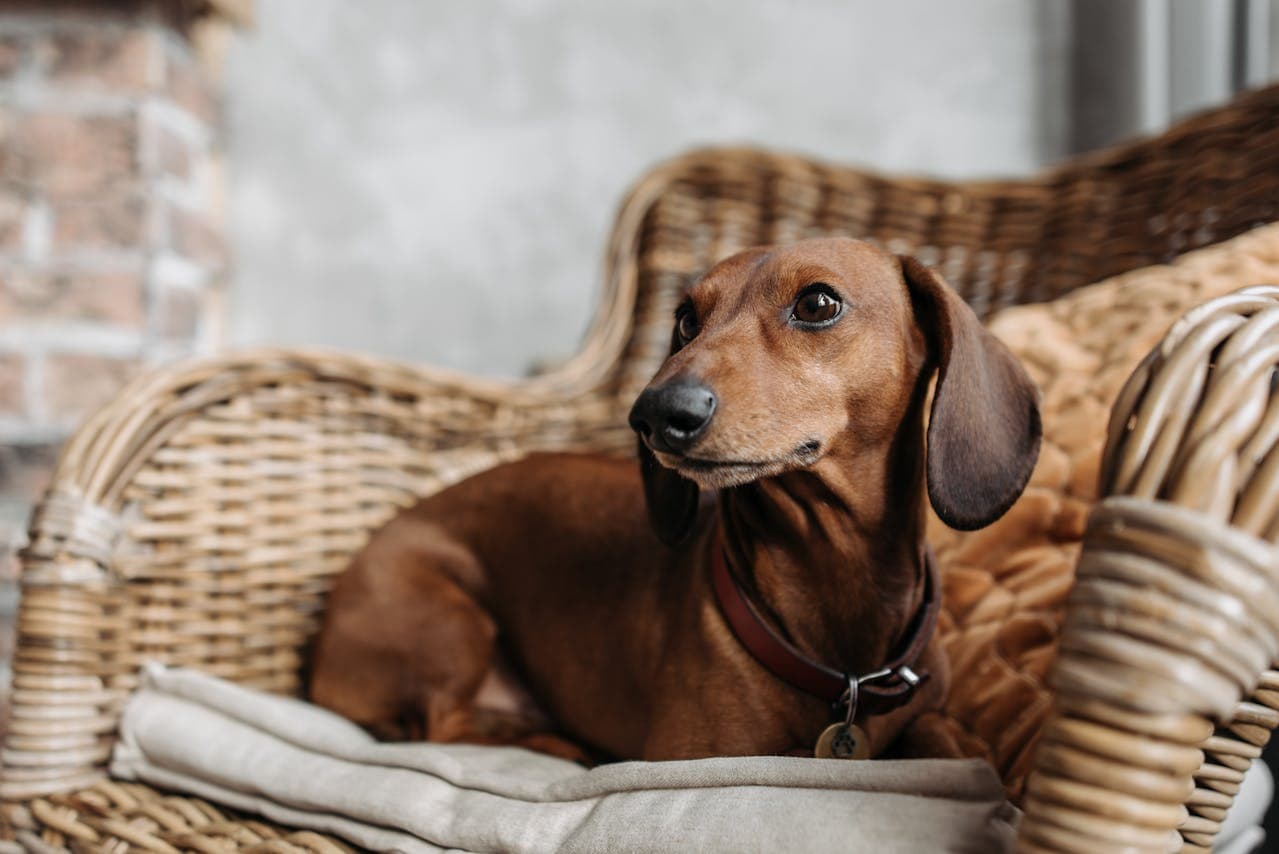
The Dachshund is a small hound breed known for its distinctive long body, short legs, and big personality. Developed in Germany, Dachshunds were bred to pursue badgers, rabbits, and other tunnel-dwelling prey, using their powerful noses, courage, and determination. Today they are beloved as companion dogs who still retain strong hunting instincts and a keen sense of curiosity.
According to the American Kennel Club (AKC), Dachshunds consistently rank among the most popular small breeds. Their popularity comes from their adaptability to many living situations, playful yet sometimes stubborn personalities, and devoted bonds with their owners. When given proper training, moderate exercise, and protection for their long backs, Dachshunds can be delightful, affectionate companions for people and families who appreciate their independent spirit.
Breed History & Origin
Dachshunds originated in Germany several hundred years ago. Their name translates to “badger dog,” reflecting their primary job of tracking and going underground after badgers, foxes, and other burrowing animals. Breeders selected dogs with elongated bodies, strong front limbs for digging, and fearless temperaments to create a dog that could enter narrow tunnels and hold tough quarry at bay.
Over time, Dachshunds were developed in different sizes and coat types—smooth, longhaired, and wirehaired—to suit various climates and hunting conditions. They eventually became popular companion dogs as well as hunting partners. The AKC recognized the Dachshund in the late 19th century, and the Dachshund Club of America (DCA) serves as the parent club in the United States. Today, Dachshunds are found worldwide as cherished pets and still participate in earthdog, tracking, and scent-work events that celebrate their hunting heritage.
Physical Characteristics & Breed Standards
Dachshunds are small, low-to-the-ground hounds with a long, muscular body and short, sturdy legs. According to the AKC breed standard, they should appear strong and well-balanced, never fragile, with a proud head carriage and alert expression. They come in two sizes (standard and miniature) and three coat varieties (smooth, longhaired, and wirehaired), each with its own distinct look but sharing the same characteristic outline.
| Characteristic | Male | Female |
|---|---|---|
| Height (at shoulder) | 8–9 inches (standard); 5–6 inches (miniature) | 8–9 inches (standard); 5–6 inches (miniature) |
| Weight | 16–32 pounds (standard); up to 11 pounds (miniature) | 16–32 pounds (standard); up to 11 pounds (miniature) |
| Lifespan | 12–16 years | |
| Coat Type | Smooth, longhaired, or wirehaired; all with a protective topcoat and insulating undercoat varying by variety | |
| Common Colors | Red, black and tan, chocolate and tan, cream, wild boar (wirehaired), dapple/merle, and other AKC-recognized patterns | |
Key Physical Features: Dachshunds have an elongated but well-muscled body with a straight back, deep chest, and strong forequarters. The head tapers slightly to a long muzzle, with dark, almond-shaped eyes that give a keen, friendly expression. Ears are moderately long and set near the top of the head, hanging close to the cheeks. Their characteristic, ground-hugging gait should be smooth and efficient, reflecting their origins as tireless hunting dogs. Because of their long spine and short legs, careful management is needed to protect their backs from injury.
Temperament & Personality
Dachshunds are lively, clever, and often quite opinionated. They are scent hounds with strong prey drive and a natural tendency to explore and investigate. Many Dachshunds are brave to the point of being fearless, a trait that served them well in the field but can sometimes lead them to challenge dogs much larger than themselves.
Doxies typically form close bonds with their families and can be very affectionate lapdogs when properly socialized. They may be reserved or suspicious of strangers and are often vocal watchdogs, quick to bark at unusual sights or sounds. Early socialization is important to prevent excessive shyness or reactivity and to encourage a confident, stable temperament.
Their independent hunting background means that Dachshunds can be stubborn and easily distracted by scents. Consistent, positive training is essential. Many Dachshunds thrive when they are given clear boundaries, mental enrichment, and plenty of quality time with their people. They generally do best in homes where their big personalities are appreciated and guided rather than forced into complete submission.
Exercise Requirements by Life Stage
Although small, Dachshunds are active dogs that need regular physical and mental exercise. Without enough activity, they can become bored, vocal, and prone to weight gain—an important concern because extra weight increases the risk of back problems. Exercise needs vary by age, size, and individual energy level, but most Dachshunds benefit from multiple short walks and play sessions each day rather than very long, high-impact outings.
| Life Stage | Daily Exercise | Recommended Activities |
|---|---|---|
| Puppies (8 weeks - 12 months) | 5 minutes per month of age, 2x daily; avoid jumping and stairs | Short, gentle walks, controlled play on soft surfaces, basic obedience, socialization, sniffing games |
| Adults (1-7 years) | 45–60 minutes total, split into several sessions | Leash walks, supervised off-leash play, scent work, fetch on level ground, puzzle games; avoid repetitive jumping or steep stairs |
| Seniors (7+ years) | 20–40 minutes, adjusted for mobility and health | Gentle walks, short play sessions, low-impact scent games, interactive toys |
Mental Exercise: Dachshunds are intelligent and easily bored. Incorporate training games, scent trails, puzzle feeders, and nosework-style activities into their routine. Many Dachshunds enjoy earthdog trials, tracking, rally, and beginner-level obedience, which allow them to use their noses and brains in constructive ways.
Grooming & Maintenance Schedule
Grooming needs for Dachshunds vary by coat type, but all require basic maintenance. Smooth-coated Dachshunds are relatively low maintenance and mainly need regular brushing and bathing. Longhaired and wirehaired Dachshunds require more frequent grooming to prevent mats, remove loose hair, and keep their coats looking neat. All varieties benefit from regular nail, ear, and dental care.
| Grooming Task | Frequency | Tools/Notes |
|---|---|---|
| Brushing (smooth coat) | 1–2 times per week | Rubber grooming mitt or soft bristle brush; helps remove loose hair and distribute oils |
| Brushing (longhaired/wirehaired) | 3–4 times per week; more during shedding | Pin brush, slicker brush, and comb; wirehaired coats may benefit from hand-stripping or professional grooming |
| Bathing | Every 4–8 weeks or as needed | Gentle dog-specific shampoo and conditioner; ensure thorough rinsing and drying, especially for longhaired coats |
| Nail trimming | Every 2–3 weeks | Trim or grind; nails should not click loudly on hard floors, as long nails can affect posture and back health |
| Ear cleaning | Weekly check, clean as needed | Veterinary ear cleaner and cotton balls; floppy ears can trap moisture, so monitor for redness or odor |
| Dental care | Daily (ideal) or at least 3x per week | Dog toothbrush and toothpaste; small breeds like Dachshunds are at higher risk for dental disease, so proactive care is important |
Nutrition & Feeding Guidelines
Proper nutrition is essential to support the Dachshund's long-term health and help maintain a lean body condition to protect their backs. As a small but sturdy hound breed, Dachshunds generally do best on high-quality diets that prioritize animal-based proteins, appropriate fat levels, and controlled calories to prevent obesity.
| Life Stage | Protein | Fat | Daily Amount (Dry Food) | Meals/Day |
|---|---|---|---|---|
| Puppies (2–12 months) | 22–28% | 10–18% | Varies by size/age; follow vet and food label guidance for small-breed puppies | 3–4 |
| Adults (moderately active) | 18–24% | 8–14% | ~1–1.5 cups (split into meals), adjusted for size and activity level | 2 |
| Adults (highly active/field or sport) | 22–28% | 12–18% | ~1.25–2 cups, adjusted for workload and body condition | 2–3 |
| Seniors (7+ years) | 18–22% | 8–12% | 0.75–1.5 cups, tailored to weight, activity, and joint or back health | 2 |
Essential Nutritional Considerations: Choose formulas that list high-quality animal proteins (like chicken, turkey, beef, lamb, or fish) as the first ingredient. Omega-3 and Omega-6 fatty acids support skin, coat, and joint health. Because Dachshunds are prone to obesity and back-related issues, monitoring calorie intake and maintaining a lean body condition score are critical. Many Dachshunds also benefit from dental-friendly diets or treats to help reduce plaque and tartar buildup.
Bloat & Digestive Health: Bloat is less common in Dachshunds than in large, deep chested breeds, but any dog can experience serious digestive upset. To promote digestion and reduce risk of discomfort, divide daily food into two or more meals, avoid sudden diet changes, and discourage rapid gulping of food by using slow-feeder bowls if needed. Always seek veterinary care if you notice repeated vomiting, a painful abdomen, or other concerning gastrointestinal signs.
Health Considerations & Genetic Screening
Dachshunds are generally long-lived dogs, but like all breeds, they are predisposed to certain health conditions. Responsible breeders use health testing, careful selection, and thoughtful breeding plans to reduce the risk of inherited diseases. Prospective owners should understand common health concerns and ask breeders for documentation of health clearances.
Common Health Conditions
| Condition | Prevalence | Description |
|---|---|---|
| Intervertebral Disc Disease (IVDD) | Significant breed risk | Degeneration and herniation of spinal discs that can cause pain, weakness, or paralysis; weight control and activity management are important prevention strategies |
| Obesity | Very common if diet and exercise are not managed | Excess weight puts additional strain on the spine and joints and increases risk for arthritis, diabetes, and other issues |
| Hereditary Eye Diseases | Recognized breed concern, especially in dapple/merle lines | Includes Progressive Retinal Atrophy (PRA), cataracts, and other inherited eye conditions that may affect vision |
| Patellar Luxation | Noted in some lines | A condition where the kneecap slips out of place, potentially causing lameness and discomfort |
| Dental Disease | Very common in small breeds | Tartar buildup, gum disease, and tooth loss can occur without regular dental care and professional cleanings as recommended |
| Heart Disease (e.g., Mitral Valve Disease) | Documented risk in some Dachshunds | Degenerative heart conditions that may cause murmurs and heart failure; routine veterinary exams help with early detection |
AKC Recommended Health Screenings
The AKC and Dachshund Club of America (DCA) provide health testing guidelines for breeding dogs. Always request copies of official health clearances when purchasing a puppy from a breeder:
| Screening Test | Testing Authority | Purpose |
|---|---|---|
| Patella Evaluation | OFA or equivalent | Screen for patellar luxation and assess kneecap stability |
| Ophthalmologist Evaluation | ACVO/OFA Eye Certification | Screen for hereditary eye diseases, including PRA and cataracts |
| Cardiac Evaluation | OFA or board-certified cardiologist | Screen for congenital or acquired heart disease, especially in lines with known issues |
| PRA & Other DNA Tests (as available) | OFA or other approved lab | Detect genetic mutations associated with specific hereditary eye diseases or other breed concerns |
| Spinal Imaging (as recommended) | Veterinarian, sometimes with radiology specialist | In some breeding programs, imaging is used to evaluate spinal disc health and help manage IVDD risk |
Training & Socialization
Dachshunds are intelligent and learn quickly, but their independent and sometimes stubborn nature can make training a challenge for inexperienced owners. They were bred to work at a distance from hunters and make decisions on their own, which means they may not always respond instantly to commands—especially when an interesting scent is involved. Consistency, patience, and positive reinforcement are key.
Early Socialization: Begin socialization as early as possible, ideally between 3–14 weeks of age. Expose your Dachshund puppy to a variety of people, friendly dogs, environments, and sounds in a controlled, positive way. Thoughtful socialization reduces the risk of fearfulness, excessive barking, or reactivity and helps your Doxie feel comfortable in everyday situations such as vet visits, grooming, travel, and busy public spaces.
Training Approach: Use reward-based methods that rely on treats, toys, praise, and play. Dachshunds do not respond well to harsh corrections or heavy-handed training, which can harm trust and increase anxiety or defensiveness. Keep sessions short, fun, and varied. Many Dachshunds benefit from crate training and structured house-training routines, as the breed can be a bit slower to housebreak than some others.
Recommended Training Programs: Puppy kindergarten, basic obedience, and AKC S.T.A.R. Puppy or Canine Good Citizen (CGC) classes provide a solid foundation. Some Dachshunds enjoy scent work, rally, or beginner agility (with careful management to protect their backs). These activities channel their natural instincts and energy into appropriate outlets while strengthening the bond between dog and owner.
Working Roles & Capabilities
Dachshunds were developed as hunting dogs and still retain many of the traits needed for work in the field. Their keen noses, persistence, and courage make them capable in a range of scent-based and companion roles:
- Earthdog & Hunting: Dachshunds are still used in some areas for hunting small game and excel in earthdog trials, which allow them to safely demonstrate their natural quarry-seeking instincts.
- Scent Work & Tracking: Their excellent sense of smell and persistence make Dachshunds good candidates for scent-work sports, tracking, and nosework classes.
- Dog Sports: With back-safe setups and appropriate jumps, some Dachshunds participate in rally, obedience, and low-impact agility, where their intelligence and enthusiasm shine.
- Therapy & Emotional Support: Their small size and affectionate nature can make Dachshunds good therapy dogs when they have stable temperaments and solid basic manners.
- Companions: Above all, most Dachshunds today are cherished companions who enjoy curling up with their owners, playing games, and joining in daily family activities.
Frequently Asked Questions
Are Dachshunds good family dogs?
Yes, Dachshunds can be wonderful family dogs when well-bred, socialized, and trained. Many are affectionate, playful, and devoted to their families. Because they are small and have delicate backs, they may do best in homes where children are old enough to understand how to handle dogs gently—no rough play, jumping from furniture, or pulling. As with any breed, always supervise interactions between dogs and young children.
How much does a Dachshund puppy cost?
Prices vary by region, pedigree, coat type, and breeder practices. From reputable breeders who perform recommended health testing and raise puppies in a high-quality environment, Dachshund puppies often range from around $1,000–$2,500 or more. Puppies from top show, performance, or specialty lines may be higher. Be cautious of unusually low prices or sellers who cannot provide health clearances or answer questions about temperament and structure.
Do Dachshunds shed a lot?
Dachshunds are generally moderate shedders. Smooth-coated dogs tend to shed small amounts steadily throughout the year, while longhaired and wirehaired Dachshunds may shed more seasonally and require more grooming. Regular brushing and bathing help manage loose hair and keep the coat healthy. Prospective owners should expect some dog hair in the home but usually not as much as with heavy-shedding double coated breeds.
Are Dachshunds aggressive?
Well-bred, well-socialized Dachshunds are not inherently aggressive, but they are bold and may be territorial or vocal. Some can be wary of strangers or other dogs if they are not properly socialized or if they have had negative experiences. Early socialization, positive training, and clear boundaries help encourage polite, confident behavior. Any dog, regardless of breed, can develop aggression if neglected, mistreated, or poorly managed, so proactive training and responsible ownership are essential.
Can Dachshunds live in apartments?
Yes, Dachshunds can do very well in apartments or small homes as long as their exercise, mental stimulation, and potty needs are met. Daily walks, playtime, and training sessions are more important than having a yard. However, Dachshunds are often vocal watchdogs and may bark at noises in hallways or neighboring apartments, so training to manage barking and providing enough enrichment are crucial in shared-living environments.
What is the difference between standard and miniature Dachshunds?
Standard Dachshunds are larger, typically weighing 16–32 pounds, and were historically used for hunting larger game like badgers. Miniature Dachshunds usually weigh 11 pounds or less and were developed for hunting smaller quarry such as rabbits. Both sizes share similar temperaments, but individual energy levels and personalities vary. Training, socialization, and responsible breeding are more important than size alone in determining a Dachshund's suitability for a particular home.
Is a Dachshund Right for You?
Dachshunds are best suited for:
- Individuals or families who enjoy daily walks and interactive play but don't need a large dog
- Owners who can provide consistent training, boundaries, and gentle handling
- People who appreciate an independent, sometimes stubborn dog with a big personality
- Homes where stairs and jumping from high furniture can be minimized or managed to protect the dog's back
- Owners committed to maintaining a healthy weight and providing regular veterinary care
- People who don't mind some barking and are willing to train appropriate watchdog behavior
- Families who understand the importance of teaching children how to interact safely with small dogs
Dachshunds may not be ideal for people who want a very compliant, low-bark dog, or for homes where rough play, frequent stair-climbing, or jumping off tall furniture can't be safely managed. With the right lifestyle, training, and health management, however, Dachshunds reward their owners with deep loyalty, humor, and companionship.
References & Resources
- 1. American Kennel Club (AKC). "Dachshund Breed Standard." akc.org
- 2. Dachshund Club of America (DCA). "Health and Genetics Information."
- 3. Orthopedic Foundation for Animals (OFA). "Breed Statistics for Dachshunds."
- 4. Various veterinary neurology resources on Intervertebral Disc Disease (IVDD) in chondrodystrophic breeds.
- 5. Veterinary dental health guidelines for small and toy dog breeds.
- 6. AKC Canine Health Foundation. "Inherited Eye Diseases in Purebred Dogs."
- 7. DCA & AKC. "Guidelines for Responsible Dachshund Breeding."
- 8. Veterinary nutrition resources on feeding and weight management for small-breed dogs.