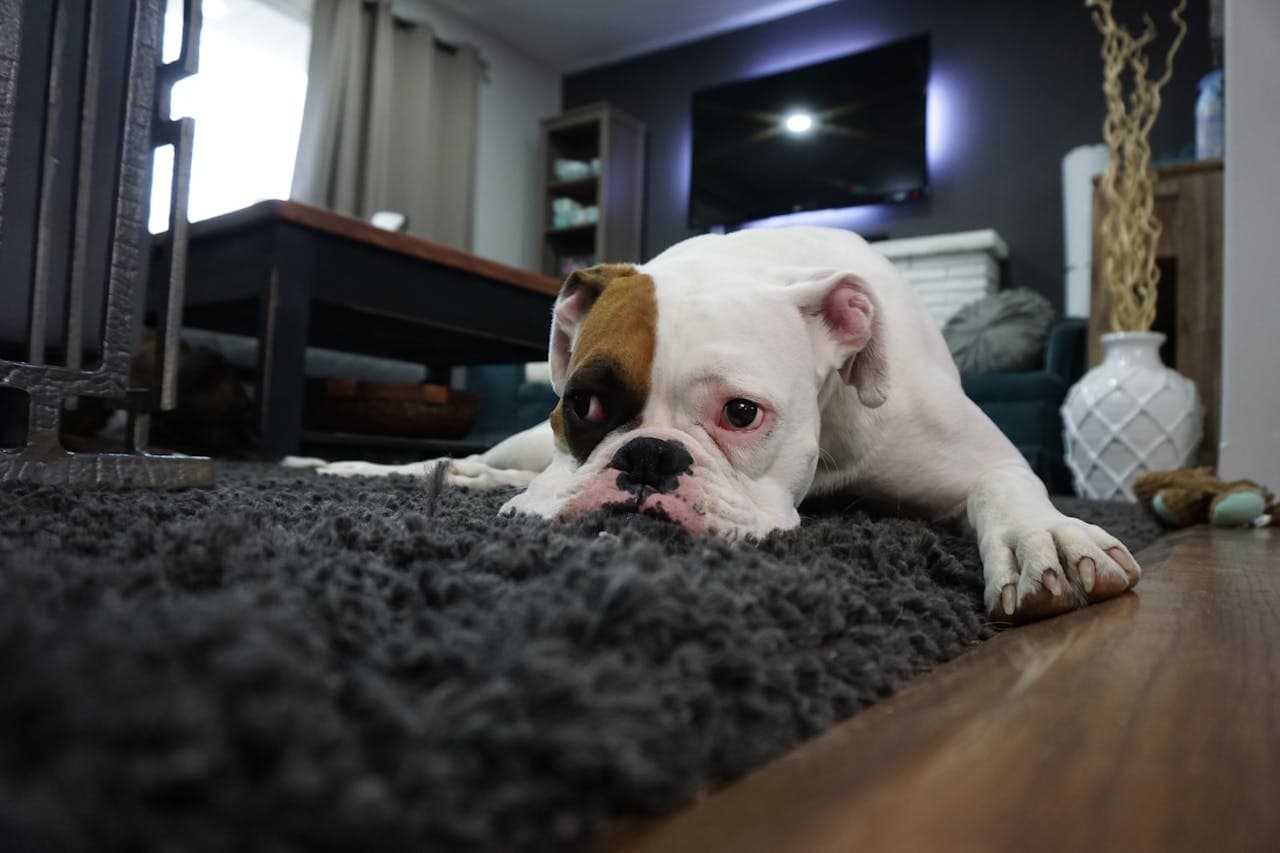
The Bulldog is a sturdy, medium-sized companion breed known for its muscular build, wrinkled face, and distinctive pushed-in nose. Once bred for the brutal sport of bull-baiting in England, modern Bulldogs have been transformed into gentle, affectionate family dogs. They are prized for their calm demeanor, loyalty, and love of lounging close to their people.
According to the American Kennel Club (AKC), Bulldogs regularly rank among the most popular dog breeds in the United States. Their popularity stems from their easygoing temperament, moderate exercise needs, and suitability for apartment or city living. When properly bred, cared for, and protected from heat and overexertion, Bulldogs make devoted companions who fit well into many types of households.
Breed History & Origin
Bulldogs trace their origins back to England, where early versions of the breed were used in bull-baiting, a now-outlawed blood sport. These early dogs were powerful, tenacious, and bred for courage and grip. When bull-baiting was banned in the 19th century, the Bulldog faced potential extinction until fanciers worked to preserve the breed by selecting for a gentler, more companionable temperament.
Over time, the Bulldog became a beloved national symbol of British determination and resilience. Breeders refined the breed into the affectionate, low-key companion known today, emphasizing stability, friendliness, and a more moderate disposition. The AKC recognized the Bulldog in the late 1800s, and the Bulldog Club of America (BCA), founded in 1890, now serves as the parent club. Modern Bulldogs are primarily family companions and show dogs rather than working animals.
Physical Characteristics & Breed Standards
Bulldogs are compact, muscular dogs with heavy bone, a broad chest, and a low-slung, powerful frame. The AKC breed standard describes a dog that is medium in size but substantial in build, with a large head, well-developed cheeks, and characteristic facial wrinkles. Their short muzzle and undershot jaw contribute to the breed’s trademark expression but also require thoughtful health management.
| Characteristic | Male | Female |
|---|---|---|
| Height | About 14–15 inches | About 13–14 inches |
| Weight | ~50 pounds (approximate) | ~40 pounds (approximate) |
| Lifespan | 8–10 years (with good care; some live longer) | |
| Coat Type | Short, smooth, fine coat; lies close to the body | |
| Common Colors | Brindle, fawn, red, white, piebald, and combinations (patterns must meet breed standard) | |
Key Physical Features: Bulldogs have a large, broad head with a short muzzle and pronounced facial wrinkles, including the iconic skin fold over the nose. Their eyes are dark, round, and set wide apart, giving a soft, kind expression. Ears are small and rose-shaped, folding back from the skull. The tail may be straight, screwed, or pump-handle shaped, but should be carried low. Their rolling, deliberate gait reflects their heavy bone and low center of gravity.
Temperament & Personality
Bulldogs are known for their calm, friendly, and often comical personalities. They tend to form strong bonds with their families and enjoy being close to their people, often seeking out laps, couches, and cozy spots at home. Many Bulldogs are affectionate and patient with children, making them popular family pets when properly supervised and socialized.
While generally not high-strung, Bulldogs can be stubborn and independent thinkers. They respond well to positive reinforcement and consistency but may shut down or resist harsh correction. Most Bulldogs are friendly or indifferent toward strangers, though some will bark to alert their owners. Early socialization helps ensure they grow into confident, stable adults comfortable with a variety of people and environments.
Bulldogs are typically low- to moderate-energy dogs who are happiest with short bursts of activity followed by long naps. They are not endurance athletes and can overheat quickly, especially in warm or humid weather. Owners should monitor activity levels closely and prioritize their dog’s comfort and safety over strenuous exercise.
Exercise Requirements by Life Stage
Bulldogs require regular but moderate exercise to maintain a healthy weight, support joint health, and prevent boredom. Due to their brachycephalic (short-nosed) anatomy, they are prone to overheating and breathing difficulties, so exercise must be carefully managed, especially in hot or humid conditions.
| Life Stage | Daily Exercise | Recommended Activities |
|---|---|---|
| Puppies (8 weeks - 12 months) | Short, frequent play and brief walks; avoid forced exercise and stairs | Gentle play, short leash walks, basic obedience, controlled socialization |
| Adults (1-6 years) | About 20–40 minutes per day, divided into 2–3 easy sessions | Leisurely walks, gentle games of fetch, indoor play, enrichment games; avoid intense running or jumping |
| Seniors (7+ years) | 15–30 minutes of low-impact activity, adjusted for health | Short, slow walks, light indoor play, gentle puzzle games; watch for mobility or breathing issues |
Mental Exercise: Bulldogs benefit from mental enrichment just as much as physical activity. Food puzzles, training games, scent work, and interactive toys help keep their minds engaged without overtaxing their bodies. Many Bulldogs enjoy short training sessions that use food rewards and simple tricks to build confidence and strengthen the human–dog bond.
Grooming & Maintenance Schedule
Bulldogs have a short, low-maintenance coat, but their skin folds and overall structure require consistent care. Owners must pay special attention to facial wrinkles, tail pockets, and other skin folds to prevent moisture buildup, irritation, and infection. Regular grooming also helps monitor for skin problems, ear infections, and nail overgrowth.
| Grooming Task | Frequency | Tools/Notes |
|---|---|---|
| Brushing | 1–2 times per week | Soft bristle brush or grooming mitt to remove loose hair and distribute skin oils |
| Wrinkle & Skin Fold Cleaning | At least several times per week; daily in warm or humid weather | Gently wipe facial wrinkles and tail pocket with damp cloth or vet-approved wipes; dry thoroughly |
| Bathing | Every 4–6 weeks or as needed | Mild, dog-specific shampoo; rinse & dry folds thoroughly to prevent irritation |
| Nail trimming | Every 2–3 weeks | Trim or grind; Bulldogs often have heavy nails that need regular attention |
| Ear cleaning | Weekly check, clean as needed | Veterinary ear cleaner, cotton balls; monitor for redness, odor, or discharge |
| Dental care | Daily (ideal) or at least 3x per week | Dog toothbrush and toothpaste; short muzzle can make dental care especially important |
Nutrition & Feeding Guidelines
Proper nutrition is especially important for Bulldogs, who are prone to obesity and related health issues. Because they have a relatively low activity level and a sturdy build, careful portion control and balanced diets help prevent excess weight, which can worsen breathing difficulties, joint problems, and overall comfort.
| Life Stage | Protein | Fat | Daily Amount (Dry Food) | Meals/Day |
|---|---|---|---|---|
| Puppies (2–12 months) | ~22–26% | ~10–15% | Varies by age/weight; Bulldogs should grow steadily but not excessively fast | 3–4 |
| Adults (moderately active) | ~18–24% | ~8–12% | Often ~2–3 cups per day (split into meals), adjusted for size and activity level | 2 |
| Adults (very low activity or prone to obesity) | ~18–22% | ~8–10% | Reduced portions or weight-management formulas per veterinary guidance | 2–3 smaller meals |
| Seniors (7+ years) | ~18–22% | ~8–12% | Often 1.5–2.5 cups, tailored to joint health, weight, and activity | 2 |
Essential Nutritional Considerations: Look for foods with high-quality animal proteins and moderate fat, avoiding excessive calories that can promote weight gain. Omega-3 fatty acids support skin and joint health, which is especially helpful for a heavy-bodied breed. Many Bulldogs benefit from joint-supportive supplements (glucosamine, chondroitin) and diets that are gentle on sensitive stomachs. Always measure meals and limit treats to maintain a healthy body condition.
Bloat & Digestive Care: While Bulldogs are not among the highest-risk breeds for gastric dilatation-volvulus (GDV or bloat), any deep-chested or barrel-chested breed can be affected. Feeding smaller, more frequent meals, avoiding vigorous exercise immediately before and after eating, and discouraging rapid gulping of food can all help support digestive comfort. Always contact a vet immediately if you see signs of abdominal distension, unproductive retching, or extreme distress.
Health Considerations & Genetic Screening
Bulldogs are a beloved breed but have several important health considerations. Their brachycephalic structure, heavy build, and skin folds can predispose them to breathing difficulties, orthopedic issues, and skin problems. Responsible breeders work to improve health and structure by selecting dogs with sound breathing, good movement, and stable temperaments, and by following recommended health testing protocols.
Common Health Conditions
| Condition | Prevalence | Description |
|---|---|---|
| Brachycephalic Obstructive Airway Syndrome (BOAS) | Significant breed concern | Structural airway issues (stenotic nares, elongated soft palate, etc.) that impair breathing and heat tolerance |
| Hip & Elbow Dysplasia | Moderate to high risk in the breed | Abnormal joint development leading to arthritis, pain, and mobility problems |
| Skin Fold Dermatitis & Allergies | Common in Bulldogs due to wrinkles and moist areas | Inflammation and infection in skin folds; may also have food or environmental allergies |
| Eye Conditions (e.g., Cherry Eye, Entropion) | Recognized breed issues | Problems with eyelid structure or the third eyelid gland that can require medical or surgical care |
| Cardiac Disease | Occurs in the breed | Includes various heart conditions that may be detected with cardiac screening |
| Orthopedic & Spine Issues | Not uncommon due to body structure | Includes patellar luxation, spinal malformations, and other structural concerns affecting mobility |
AKC Recommended Health Screenings
The AKC and Bulldog Club of America (BCA) recommend specific health testing for breeding Bulldogs. Ethical breeders use these screenings to reduce the risk of passing on serious conditions. When purchasing a Bulldog puppy, always ask to see documentation of official health clearances for both parents.
| Screening Test | Testing Authority | Purpose |
|---|---|---|
| Hip Evaluation | OFA or PennHIP | Assess hip joint quality and screen for hip dysplasia |
| Elbow Evaluation (where applicable) | OFA | Screen for elbow dysplasia and related joint issues |
| Cardiac Evaluation | OFA or board-certified cardiologist | Identify congenital or acquired heart disease |
| Patella (Knee) Evaluation | OFA | Screen for patellar luxation and other knee issues |
| Trachea & Airway Assessment | Veterinarian or specialist (imaging and clinical evaluation) | Evaluate tracheal structure and airway for brachycephalic concerns |
| Ophthalmologist Evaluation | ACVO/OFA Eye Certification | Screen for hereditary eye diseases and structural eye problems |
Training & Socialization
Bulldogs may not be the most energetic dogs, but they are intelligent, observant, and often highly food-motivated. They can be quite willing to learn basic manners and fun tricks when training is kept positive, patient, and consistent. Their somewhat stubborn streak means that heavy-handed methods or harsh corrections are usually counterproductive and can damage trust.
Early Socialization: Begin socialization early, ideally between 3–14 weeks of age. Introduce your Bulldog puppy to a variety of people, gentle dogs, sounds, and environments in a safe, controlled way. Because Bulldogs are often confident but somewhat laid-back, good socialization helps prevent shyness, reactivity, or overprotectiveness and builds a resilient, friendly adult dog.
Training Approach: Use reward-based training with small, tasty treats and plenty of praise. Keep sessions short and fun to prevent boredom. Focus on foundational skills like sit, down, come, leave it, and loose-leash walking. Due to their heavier build and breathing limitations, avoid high-intensity sports; instead, emphasize manners, enrichment games, and low-impact activities.
Recommended Training Programs: Puppy kindergarten, basic manners classes, and AKC Canine Good Citizen (CGC) programs can be excellent goals for Bulldogs. These build reliability around people and other dogs, while also strengthening communication between you and your dog in everyday settings.
Working Roles & Capabilities
Bulldogs are primarily companion animals today, rather than traditional working dogs. Their build and breathing limitations make them unsuited for intense physical work, but they still excel in several important “jobs” in the modern home:
- Family Companion: Bulldogs thrive as devoted, loving family pets who enjoy relaxing with their people, playing gentle games, and participating in daily routines.
- Emotional Support & Therapy: Their calm, affectionate nature can make some Bulldogs good candidates for therapy or emotional support roles when they have appropriate temperament and training.
- Low-Key Training & Enrichment: Bulldogs can enjoy low-impact activities such as nosework games, trick training, and short obedience sessions that provide mental stimulation without excessive physical strain.
- Companion for Relaxed Lifestyles: For owners who prefer moderate activity levels, a Bulldog can be an ideal match—content with short walks, playtime, and plenty of couch cuddles.
Frequently Asked Questions
Are Bulldogs good family dogs?
Yes, Bulldogs can be excellent family dogs. They are usually affectionate, gentle, and tolerant, especially when raised with children from a young age and properly supervised. Their calm nature and moderate exercise needs often suit busy families or those living in smaller homes. As with any breed, teach children how to respectfully interact with dogs and supervise all interactions.
How much does a Bulldog puppy cost?
Bulldog puppies from responsible breeders are often relatively expensive due to the intensive care, veterinary oversight, and ethical breeding practices required. Prices commonly range from around $2,000–$4,000 or more, depending on pedigree, breeder reputation, and location. Be cautious of significantly lower prices, which may indicate poor breeding practices, lack of health testing, or high-volume breeding operations that do not prioritize welfare.
Do Bulldogs shed a lot?
Bulldogs have short coats and are often thought of as low-shedding, but they do shed a moderate amount year-round. Weekly brushing helps remove loose hair and keeps the coat and skin healthy. Owners should expect some hair on furniture and clothing, though typically less than many long-coated breeds.
Are Bulldogs aggressive?
Well-bred, well-socialized Bulldogs are not typically aggressive. The breed standard emphasizes a friendly, courageous, but not vicious temperament. However, poor breeding, lack of socialization, pain, or fear can contribute to behavior problems in any dog. Early socialization, positive training, and careful selection of breeders who prioritize temperament all help reduce the risk of aggression.
Can Bulldogs live in apartments?
Yes, Bulldogs are often well-suited to apartment or city living. Their relatively low energy level and preference for short walks and indoor relaxation make them good candidates for smaller spaces. Owners must still provide daily walks, potty breaks, and mental stimulation, and must be especially careful with temperature control, since Bulldogs can overheat easily in warm environments or on long flights of stairs.
What is the difference between Bulldogs and other “bulldog” breeds?
The term “bulldog” can refer to several breeds, including the English Bulldog (typically just called the Bulldog in AKC recognition), French Bulldog, American Bulldog, and others. The Bulldog described in this guide is the English Bulldog: a medium-sized, heavy-bodied companion dog with a short muzzle and distinctive wrinkles. French Bulldogs are smaller with upright bat ears and lighter frames, whereas American Bulldogs are generally taller, more athletic, and bred for different working or companion roles. Each type has its own standard, temperament tendencies, and health considerations.
Is a Bulldog Right for You?
Bulldogs are best suited for:
- Individuals or families seeking a calm, affectionate companion rather than a high-energy exercise partner
- Owners who can closely monitor temperature, breathing, and weight, and who are prepared for potential health-related expenses
- People who enjoy short daily walks, indoor play, and plenty of cuddle time
- Households that can accommodate stairs or provide easy outdoor access without excessive exertion
- Owners committed to regular wrinkle care, skin and ear checks, and routine veterinary preventive care
- People comfortable with some snoring, snorting, and drooling as part of Bulldog life and charm
Bulldogs may not be ideal for owners seeking a running or hiking partner, those living in very hot climates without reliable climate control, or people unable to commit to the potential health care needs of a brachycephalic breed. Thoughtful selection of a responsible breeder, proactive health management, and realistic expectations are key to sharing a happy, comfortable life with a Bulldog.
References & Resources
- 1. American Kennel Club (AKC). "Bulldog Breed Standard." akc.org
- 2. Bulldog Club of America (BCA). "Bulldog Health & Breed Information."
- 3. Orthopedic Foundation for Animals (OFA). "Bulldog Breed Statistics & Health Data."
- 4. ACVS / Veterinary Partner. "Brachycephalic Obstructive Airway Syndrome (BOAS) in Dogs."
- 5. WSAVA & various veterinary nutrition resources on weight management in brachycephalic breeds.
- 6. BCA Health & Education resources on skin fold care, eye conditions, and responsible breeding.
- 7. AKC Canine Health Foundation. "Health Concerns in Brachycephalic & Companion Breeds."
- 8. Board-certified veterinary cardiology and ophthalmology guidelines on screening Bulldogs for heart and eye disease.