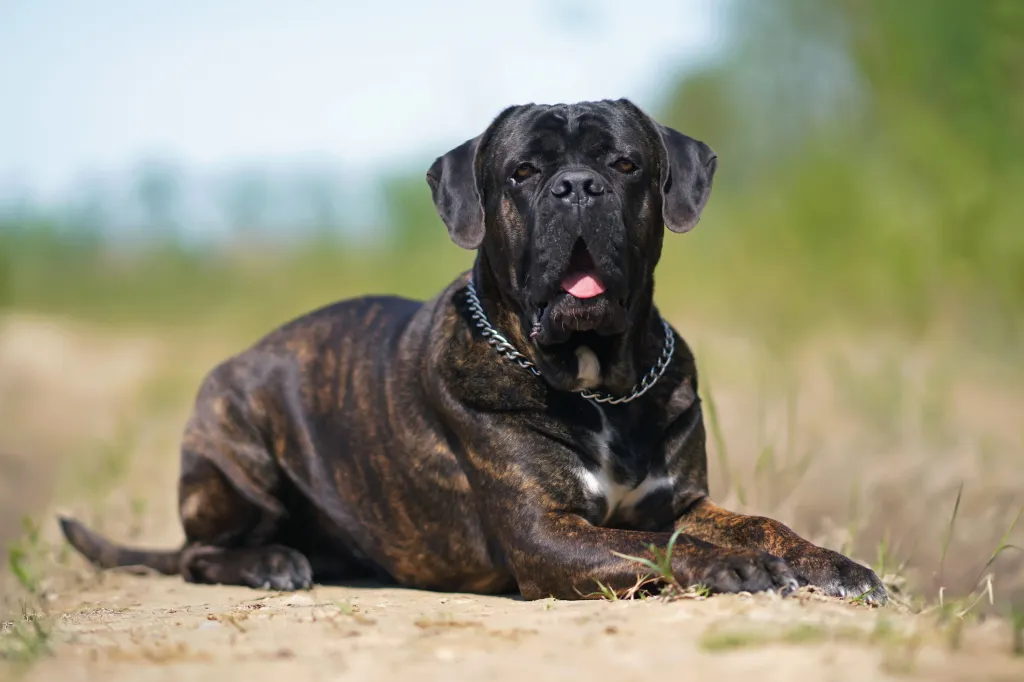
The Cane Corso is a powerful Italian mastiff-type guardian breed known for its imposing presence, strong nerves, and deep devotion to its family. Historically used as a multi-purpose farm dog and estate protector, the Corso's name is often translated as "bodyguard dog" or "guardian of the courtyard," reflecting its long history of watching over people, property, and livestock.
Modern Cane Corsos are typically kept as companions, guard dogs, and working protection dogs. Major kennel clubs and breed organizations describe them as intelligent, confident, and highly trainable—but also strong-willed and potentially challenging in inexperienced hands. When bred and raised responsibly with consistent training and early socialization, Cane Corsos can be steady, affectionate family guardians who are calm in everyday life yet ready to respond when needed.
Breed History & Origin
The Cane Corso is an Italian breed of mastiff whose roots trace back to the war dogs of ancient Rome. Over time, these powerful dogs transitioned from battlefield use to becoming versatile farm dogs in rural Italy, where they guarded homesteads, drove cattle, and helped hunt large game such as wild boar. In many regions they served as an all-purpose working partner and guardian for farmers and butchers.
After World War II and major changes in traditional agriculture, the Cane Corso population declined dramatically and nearly vanished. A small number of enthusiasts in southern Italy began carefully restoring the breed in the 1970s and 1980s from the remaining rural dogs. The Cane Corso was recognized by the Italian kennel club (ENCI) in the 1990s and later by the Fédération Cynologique Internationale (FCI). The American Kennel Club (AKC) granted full recognition in 2010, placing the Cane Corso in the Working Group. Since then, the breed has grown rapidly in popularity around the world.
Physical Characteristics & Breed Standards
The Cane Corso is a large, strongly built molosser with a muscular yet athletic frame. According to kennel club standards, they should appear slightly longer than tall, with a deep chest, broad head, and powerful hindquarters. The overall impression is one of strength, stability, and controlled power rather than bulk for its own sake. Their confident posture and steady, watchful gaze contribute to their famously imposing presence.
| Characteristic | Male | Female |
|---|---|---|
| Height | 25–27.5 inches | 23.5–26 inches |
| Weight | ~100–110 pounds | ~85–100 pounds |
| Lifespan | 9–12 years | |
| Coat Type | Short, dense, weather-resistant double coat; firm and slightly stiff to the touch | |
| Common Colors | Black; gray (lead, light, slate); fawn (light to dark/stag red); brindle patterns; small white markings on chest, feet, or muzzle permitted | |
Key Physical Features: Cane Corsos have a large, broad head with a distinct stop, strong muzzle, and powerful jaws. The eyes are medium-sized, oval, and typically dark, giving an attentive, thoughtful expression. Ears may be left natural (medium, triangular, dropped) or cropped where legal. The tail is thick at the base and carried high; in some countries it is traditionally docked to a few vertebrae, while elsewhere it remains natural and full-length. Their gait should be effortless, balanced, and ground-covering, showing both power and agility.
Temperament & Personality
Cane Corsos are renowned for their protective instincts and strong sense of responsibility toward their family. Most are calm and reserved in the home, preferring to quietly observe rather than seek constant attention. With their people, they are typically affectionate, deeply loyal, and often quite sensitive to their owners' moods and routines.
Toward strangers, Cane Corsos tend to be watchful and skeptical rather than overtly friendly. They are naturally territorial and may react strongly if they perceive a threat, which is why early, ongoing socialization and clear training are absolutely essential. This is not a breed that should be allowed to "raise itself" or make its own decisions about who is or is not welcome.
Many Corsi are selective with other dogs and may not enjoy busy dog parks or off-leash play with unfamiliar dogs, especially of the same sex. Responsible management, good genetics, and thoughtful socialization all play a role in shaping temperament. Cane Corsos thrive in homes where they have a clear job—guarding the home, accompanying their handler, or doing structured training—and where expectations are consistent and fair.
Exercise Requirements by Life Stage
As a large working guardian breed, the Cane Corso needs daily physical exercise and mental structure, but they do not usually require the constant motion of high-drive herding dogs. Their exercise program should balance movement with joint protection, especially while they are still growing. Too much pounding, jumping, or stair work at a young age can contribute to orthopedic issues later in life.
| Life Stage | Daily Exercise | Recommended Activities |
|---|---|---|
| Puppies (8 weeks - 12 months) | 5 minutes per month of age, 2x daily (avoiding high-impact work) | Short leash walks on soft surfaces, controlled play, basic obedience, calm socialization with people and stable dogs |
| Adults (1-7 years) | 60–90 minutes total, split into sessions | Brisk leash walks, structured heel work, hiking, obedience, tracking, nosework, controlled fetch, supervised protection or guarding sports with professional guidance |
| Seniors (7+ years) | 30–60 minutes, adjusted for joint and heart health | Gentle walks, light play, slow sniff walks, low-impact strengthening exercises, puzzle games and scent work |
Mental Exercise: Cane Corsos thrive on structure and problem-solving just as much as they benefit from physical outlets. Include obedience drills, place commands, scent games, tracking exercises, impulse-control work, and food puzzle toys. Many Corsi enjoy activities such as obedience, rally, tracking, and protection sports when trained safely and ethically with experienced trainers.
Grooming & Maintenance Schedule
Cane Corsos have a short but double coat with a noticeable undercoat that offers protection from the elements. They shed year-round at a low-to-moderate level and typically have heavier seasonal sheds once or twice a year. Regular grooming helps manage loose hair, keeps the skin healthy, and offers an opportunity to check this large breed for lumps, irritation, or parasites.
| Grooming Task | Frequency | Tools/Notes |
|---|---|---|
| Brushing (regular season) | 1–2 times per week | Rubber curry or grooming mitt, soft bristle brush; quick overall brush-out to remove dead hair and dust |
| Brushing (shedding season) | Daily or every other day during coat blow | Rubber grooming mitt, de-shedding tool; work in the direction of hair growth, especially over neck, shoulders, and thighs |
| Bathing | Every 6–10 weeks or as needed | Use gentle dog-specific shampoo; thoroughly rinse and dry to prevent skin irritation in skin folds and around the lips |
| Nail trimming | Every 2–3 weeks (more often for indoor dogs) | Heavy-duty clippers or grinder; nails should not press into the floor or cause splaying of the toes |
| Ear cleaning | Weekly check, clean as needed | Veterinary ear cleaner and cotton balls; monitor for redness, odor, or head shaking—especially in dogs with natural, hanging ears |
| Dental care | Daily (ideal) or at least 3x per week | Dog toothbrush and toothpaste; consider dental chews or rinses as recommended by your veterinarian |
Nutrition & Feeding Guidelines
Proper nutrition is critical for supporting the Cane Corso's substantial muscle mass, joint health, and overall longevity. As a large, deep-chested working breed, they benefit from high-quality diets formulated for large-breed dogs, particularly during growth. Controlled growth, appropriate calories, and balanced calcium and phosphorus levels are important to reduce stress on developing joints.
| Life Stage | Protein | Fat | Daily Amount (Dry Food) | Meals/Day |
|---|---|---|---|---|
| Puppies (2–12 months, large-breed formula) | 22–26% | 10–16% | Varies by age/weight; follow vet and food label guidance to keep growth slow and steady | 3–4 |
| Adults (moderately active) | 18–24% | 8–14% | ~3–4 cups (split into meals), adjusted for weight, activity level, and body condition | 2 |
| Adults (highly active/working) | 24–30% | 12–20% | ~4–5 cups or more, adjusted for workload and keeping a lean physique | 2–3 |
| Seniors (7+ years) | 18–22% | 8–12% | 2.5–4 cups, tailored to metabolism, mobility, and body condition score | 2 |
Essential Nutritional Considerations: Look for formulas that list high-quality animal proteins (such as chicken, beef, lamb, or fish) as the first ingredient, with appropriate fat levels to support energy without excess weight gain. Omega-3 fatty acids from fish oil can help support joint, heart, and skin health. Because large breeds are prone to orthopedic and cardiac disease, maintaining a lean body condition is one of the most important things you can do to protect your Cane Corso's health.
Bloat & GDV Prevention: Cane Corsos, like many large, deep-chested breeds, have an elevated risk of gastric dilatation-volvulus (GDV or bloat). To reduce this risk, feed at least two smaller meals per day instead of one large meal, avoid intense exercise for about an hour before and after eating, and discourage rapid gulping of food with slow-feeder bowls if needed. Talk to your veterinarian about additional preventive strategies, including preventive gastropexy surgery in at-risk dogs.
Health Considerations & Genetic Screening
Cane Corsos are generally robust, but as a large purebred working dog they are predisposed to several orthopedic, ocular, and cardiac conditions. Responsible breeders follow health-testing guidelines from the Cane Corso Association of America (CCAA) and other organizations, screening breeding dogs to reduce the likelihood of passing on heritable disease. Prospective owners should always ask to see official health clearances for both parents.
Common Health Conditions
| Condition | Prevalence | Description |
|---|---|---|
| Hip Dysplasia | Significant breed concern in large mastiffs | Abnormal development of the hip joint leading to arthritis, pain, and decreased mobility; influenced by genetics, growth rate, and body weight |
| Elbow Dysplasia & Other Orthopedic Issues | Recognized risk in the breed | Developmental abnormalities of the elbow and other joints that can cause lameness and early arthritis, particularly in rapidly growing puppies |
| Cardiac Disease (e.g., Dilated Cardiomyopathy) | Notable concern in some lines | Heart muscle disease and structural defects which may lead to exercise intolerance, fainting, or heart failure; screened with cardiac exams and echocardiography |
| Hereditary Eye Diseases | Recognized breed issue | Conditions such as entropion, ectropion, cherry eye (nictitans gland prolapse), and progressive retinal atrophy (PRA) can cause discomfort or vision loss if not treated |
| Bloat / Gastric Dilatation-Volvulus (GDV) | Increased risk due to size and chest depth | Life-threatening twisting and distension of the stomach characterized by sudden bloating, restlessness, and retching; requires immediate emergency surgery |
| Skin & Immune Conditions | Seen regularly in the breed | Includes demodectic mange, allergies, and autoimmune skin disease; often managed with veterinary guidance, diet, and parasite control |
Recommended Health Screenings for Cane Corsos
The Cane Corso Association of America (CCAA), AKC, and the OFA/CHIC program recommend specific health tests for breeding dogs. When purchasing a puppy from a breeder, always request copies of official results for both parents:
| Screening Test | Testing Authority | Purpose |
|---|---|---|
| Hip Evaluation | OFA or PennHIP | Assess hip joint structure and risk of dysplasia |
| Elbow Evaluation | OFA | Screen for elbow dysplasia and other developmental abnormalities |
| Cardiac Examination | OFA / Board-certified cardiologist | Detect structural and electrical heart disease such as cardiomyopathy or valve defects |
| Patella Evaluation | OFA | Check for patellar luxation (loose or dislocating kneecaps) |
| Ophthalmologist Evaluation | ACVO/OFA Eye Certification | Screen for hereditary eye diseases, including entropion, ectropion, and PRA |
| Genetic Tests (NCL, DSRA, etc.) | OFA / Approved laboratories | Detect specific inherited conditions such as Neuronal Ceroid Lipofuscinosis (NCL) and Dental Skeletal Retinal Anomaly (DSRA) to avoid producing affected puppies |
Training & Socialization
Cane Corsos are intelligent, observant, and capable of learning complex behaviors, but they are not an automatic "easy" breed to train. Their size, strength, and natural protectiveness mean that mistakes in training or management can have serious consequences. For this reason, Cane Corsos are best suited to owners who are committed to structured training and are comfortable setting calm, consistent boundaries.
Early Socialization: Begin socialization as soon as your veterinarian clears your puppy for safe outings. Introduce your Cane Corso puppy to a wide variety of people, environments, sounds, and controlled situations, always prioritizing positive experiences. The goal is not to turn them into a social butterfly, but to help them remain stable and confident when encountering normal life—delivery drivers, guests, cyclists, children playing at a distance, and so on.
Training Approach: Positive reinforcement and reward-based methods work very well for Cane Corsos, especially when combined with clear rules and predictable routines. They are sensitive to their people and can shut down or become defensive with harsh handling. Short, focused training sessions that mix obedience, impulse control, and engagement games help keep them mentally satisfied and build a strong working relationship with their handler.
Recommended Training Programs: Foundation programs such as AKC S.T.A.R. Puppy and Canine Good Citizen (CGC) are excellent starting points. Many Cane Corsos also enjoy and excel in advanced obedience, tracking, scent work, and, under qualified guidance, protection sports. Any work that intentionally develops guarding or bite skills should be done only with experienced, ethical trainers and dogs that have stable, even temperaments.
Working Roles & Capabilities
Historically, Cane Corsos served as multi-purpose farm and estate dogs in Italy—guarding property, helping move livestock, and assisting with the hunting of large, dangerous game. Today, many of those instincts remain, and the breed still thrives when given meaningful work and partnership with a handler. Common roles for modern Cane Corsos include:
- Home & Estate Guardians: Their size, presence, and natural wariness of intruders make them excellent deterrents. Responsible owners pair this with training and management so the dog can distinguish everyday life from genuine threats.
- Livestock & Property Protection: Some Corsi still work on farms, guarding barns, yards, and livestock from trespassers or predators, often alongside other working dogs.
- Working & Protection Sports: With stable temperaments and correct training, Cane Corsos can participate in obedience, tracking, and protection-style sports that channel their instincts into structured outlets.
- Search, Detection & Security: Their strong noses, courage, and endurance can be useful in detection, tracking, and certain security applications when temperament and training are a good match.
- Companion Guardians: For many families, a Cane Corso's primary job is being a calm, watchful companion that accompanies them on walks, travel, and day-to-day activities while providing a sense of security.
Frequently Asked Questions
Are Cane Corsos good family dogs?
In the right home, yes. Many Cane Corsos are deeply bonded to their families and can be gentle and patient with children they know, especially when raised with them. However, their large size, guarding instincts, and strength mean they are generally better suited to families with dog-savvy adults and older, respectful children. Supervision around kids is always essential, and the breed is not an ideal choice for homes that frequently host large numbers of visitors or where doors and gates are often left open.
How much does a Cane Corso puppy cost?
Prices vary significantly by country, breeder reputation, pedigree, and whether the puppy is intended for show, work, or companionship. From reputable, health-testing breeders, Cane Corso puppies often range from the equivalent of roughly $1,500–$4,000 USD or more in many markets. In India, responsible breeders commonly charge in the range of ₹65,000–₹1,20,000 or higher. Extremely low prices, or breeders who cannot provide health clearances and contracts, are red flags for poor breeding practices.
Do Cane Corsos shed a lot?
Despite their short coat, Cane Corsos do shed. Most owners describe shedding as low to moderate for much of the year, with heavier shedding once or twice annually when they blow their undercoat. Weekly brushing (and more frequent brushing during seasonal sheds) usually keeps loose hair manageable. Compared to many double-coated breeds, their grooming needs are relatively simple, but you should still expect some hair on clothing and furniture.
Are Cane Corsos aggressive?
Cane Corsos are not meant to be unstable or randomly aggressive, but they are serious, powerful guard dogs with strong protective instincts. A well-bred, well-socialized Corso should be confident, self-controlled, and capable of discerning real threats from normal situations. Unfortunately, irresponsible breeding, poor socialization, and lack of training can lead to fearfulness or overreaction. This is a breed where responsible ownership—choosing ethical breeders, starting early training, and managing the environment—is absolutely critical.
Can Cane Corsos live in apartments?
Apartment living is possible for a Cane Corso, but it is demanding. These dogs are large, protective, and very aware of noises and movement around them. In an apartment setting, they need excellent training, reliable leash manners, and multiple structured walks and training sessions every day. Thin walls, heavy foot traffic, and frequent strangers in hallways can be challenging for a guardian breed. A securely fenced yard or more private living situation often makes management easier, but lifestyle and commitment are ultimately more important than square footage.
What's the difference between working and show lines in Cane Corsos?
Some Cane Corso breeders focus primarily on conformation and appearance for the show ring, while others prioritize working ability, drive, and performance in protection or utility work. Working-line dogs may show higher intensity, stronger defensive drives, and a greater need for structured work, making them best suited to experienced handlers. Show-line dogs may have slightly softer temperaments or more emphasis on looks, but they are still large, powerful guardians who require serious training and management. Both types should be stable, clear-headed, and health-tested, and both need engaged, responsible homes.
Is a Cane Corso Right for You?
Cane Corsos are best suited for:
- Experienced dog owners who are comfortable handling large, powerful breeds and setting firm but fair boundaries
- Individuals or families who want a serious guardian and are prepared to invest time in training and socialization
- Homes with securely fenced property and the ability to manage access to gates, doors, and visitors
- People who can provide daily structured exercise, mental work, and consistent routines
- Owners willing to work with qualified trainers and follow health-testing and veterinary recommendations
- Families with older, dog-savvy children who understand how to behave around large guardian breeds
Cane Corsos may not be the best choice for first-time dog owners, people who prefer an easy-going, highly social dog, or households where the dog will often be left alone for long periods without structure. In the wrong environment—or with inadequate training and management—their size and guarding instincts can quickly become overwhelming. In the right hands, however, a Cane Corso can be a steady, deeply devoted guardian and companion.
References & Resources
- 1. American Kennel Club (AKC). "Cane Corso Breed Information & Standard."
- 2. Cane Corso Association of America (CCAA). "Health Testing Recommendations, Grooming, and Breed Resources."
- 3. PetMD. "Cane Corso Dog Breed Health and Care."
- 4. Encyclopaedia Britannica. "Cane Corso – Size, Temperament & History."
- 5. Orthopedic Foundation for Animals (OFA) / CHIC. "Cane Corso Health Testing Protocols."
- 6. Various veterinary and large-breed nutrition resources on feeding and managing giant and guardian breeds.
- 7. Reputable Cane Corso breeders and breed clubs providing data on typical size, lifespan, and health issues.