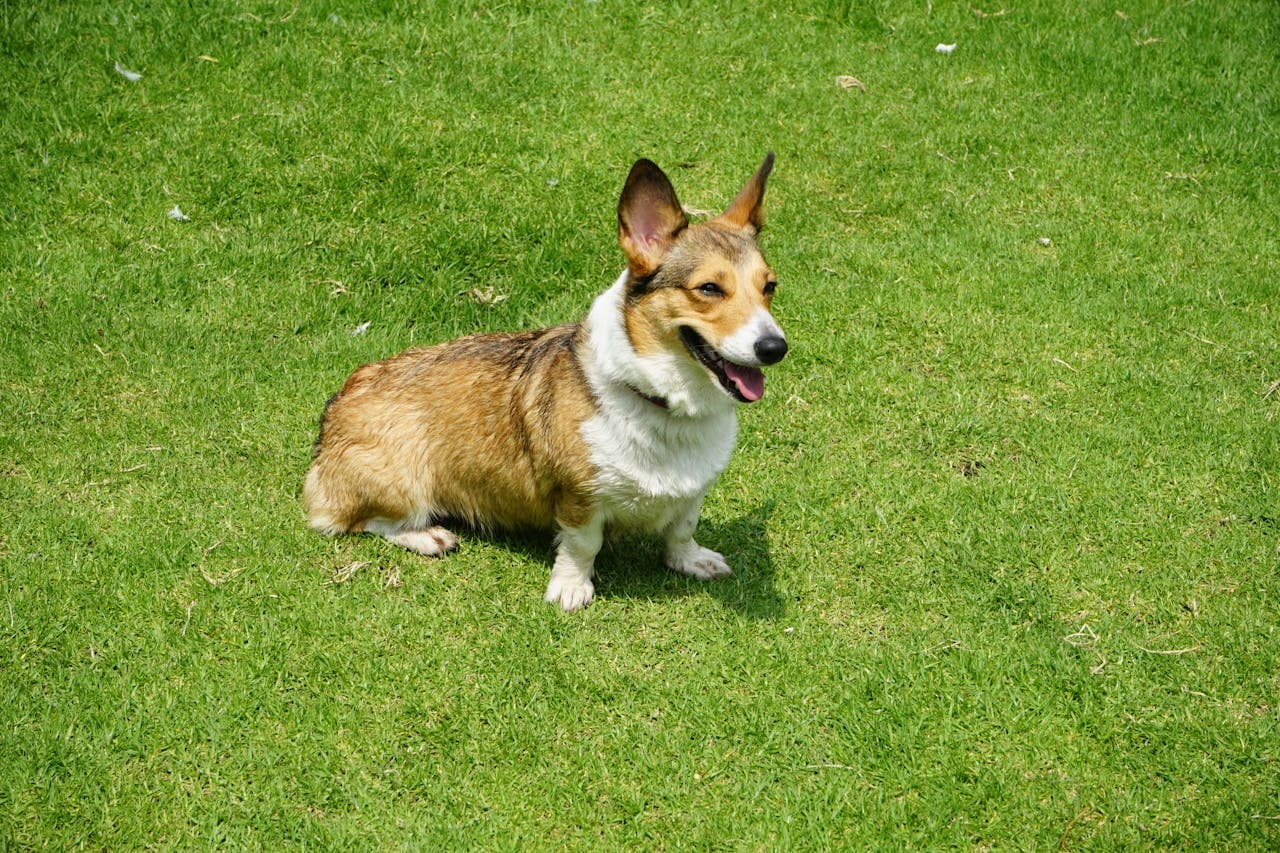
The Pembroke Welsh Corgi is a small, sturdy herding breed known for its low-set body, expressive face, and lively, outgoing nature. Bred to drive cattle by nipping at their heels and dodging kicks, Pembrokes are surprisingly athletic and agile despite their short legs. Today, they are just as famous for being charming companions as they are for their farm-dog roots.
According to the American Kennel Club (AKC), Pembroke Welsh Corgis rank among the most popular herding breeds. Their popularity comes from their affectionate temperament, bright intelligence, and adaptability to many lifestyles. When given appropriate exercise, training, and mental enrichment, Corgis make devoted family pets, entertaining house dogs, and enthusiastic partners in dog sports such as agility, rally, obedience, and herding trials.
Breed History & Origin
The Pembroke Welsh Corgi originated in Pembrokeshire, Wales, where they were developed as multipurpose farm dogs. Their primary job was to drive cattle to and from pasture, keeping livestock moving by nipping at their heels and quickly darting out of the way. Their low stature made them ideal for working close to the ground and staying clear of kicking hooves.
The breed's ancestry likely includes old herding dogs brought to Wales by Flemish weavers and other settlers. Over centuries, Welsh farmers refined these dogs into the quick, bold heelers we know today. Pembroke Welsh Corgis gained international fame in the 20th century thanks in part to their association with the British royal family—Queen Elizabeth II owned and adored Corgis for decades. The AKC recognized the Pembroke Welsh Corgi in 1934 as a breed distinct from the Cardigan Welsh Corgi. Today, Pembrokes are cherished worldwide as farm helpers, performance dogs, and family companions.
Physical Characteristics & Breed Standards
Pembroke Welsh Corgis are small, low-set dogs with a long, level topline and substantial bone for their size. According to the AKC breed standard, they should appear strong and sturdy rather than delicate, with an efficient, ground-covering gait and no hint of clumsiness. Their prick ears, foxy head, and bright expression give them an alert, intelligent look that many people find irresistible.
| Characteristic | Male | Female |
|---|---|---|
| Height | 10–12 inches | 10–12 inches |
| Weight | 27–30 pounds (ideal range) | 24–28 pounds (ideal range) |
| Lifespan | 12–13 years (often longer with good care) | |
| Coat Type | Medium-length, weather-resistant double coat; straight and dense with a softer undercoat | |
| Common Colors | Red, sable, fawn, black and tan; all with or without white markings on legs, chest, neck, and muzzle | |
Key Physical Features: Pembroke Welsh Corgis have a fox-like head with a fairly broad skull, moderate stop, and a tapered muzzle. Their eyes are medium-sized, oval, and dark, conveying a keen, friendly expression. Ears are erect, of medium size, and slightly rounded at the tips. Historically, tails in Pembrokes were docked very short where legal; in many regions now, Corgis retain a natural tail that is carried in line with the back when moving. Their free, easy gait should show good reach and drive without rolling or shuffling.
Temperament & Personality
Pembroke Welsh Corgis are bright, confident, and eager to be involved in everything their people are doing. They are quick learners with strong problem-solving skills and a mischievous streak, which makes them entertaining companions but also means they benefit from clear rules and consistent training. Many Corgis have a "big dog" attitude in a small body.
Corgis tend to be affectionate and loyal with their families and often enjoy being in the center of household activity. They are naturally alert and may be reserved or cautious with strangers, making them good little watchdogs who will readily bark at unusual sights or sounds. Early socialization helps keep their curiosity and boldness balanced with appropriate manners and confidence in new situations.
Herding instincts may show up as heel-nipping, chasing, and circling, especially around running children or fast-moving animals. Teaching impulse control, reinforcing calm behavior, and redirecting herding behaviors into games and structured activities are important. Corgis thrive on time with their people and usually dislike being left out of family life.
Exercise Requirements by Life Stage
As a herding breed, Pembroke Welsh Corgis are more active than many dogs of similar size, but they do not require the same intensity of exercise as some high-drive working breeds. They need daily walks, play, and mental challenges to stay fit and well-behaved. Because of their long backs and short legs, it's important to balance activity with joint and spine protection—avoiding repeated high-impact jumping and excessive stairs.
| Life Stage | Daily Exercise | Recommended Activities |
|---|---|---|
| Puppies (8 weeks - 12 months) | 5 minutes per month of age, 2x daily (avoiding high-impact exercise) | Short walks, gentle play on non-slippery surfaces, basic obedience, socialization, puzzle toys |
| Adults (1–7 years) | 45–60 minutes total, split into sessions | Brisk walks, controlled fetch, low-impact agility, herding lessons, scent games, training sessions |
| Seniors (7+ years) | 20–40 minutes, adjusted for mobility and health | Gentle walks, swimming if available, light play, nosework, food puzzles, simple trick training |
Mental Exercise: Corgis are clever and often food-motivated, making them excellent candidates for training games and brain work. Include interactive feeders, trick training, nosework, scent-based games, and low-impact dog sports in their routine. Many Pembroke Welsh Corgis excel in agility, rally, obedience, herding trials, and other activities that challenge both mind and body.
Grooming & Maintenance Schedule
Pembroke Welsh Corgis have a dense, weather-resistant double coat designed to protect them outdoors. They shed moderately throughout the year and experience heavier seasonal shedding when they "blow" their undercoat, usually in spring and fall. Regular grooming helps control loose hair, keeps the skin and coat healthy, and allows you to monitor for lumps, bumps, or skin changes.
| Grooming Task | Frequency | Tools/Notes |
|---|---|---|
| Brushing (regular season) | 2–3 times per week | Slicker brush and undercoat rake; focus on pants, chest, and around the neck |
| Brushing (shedding season) | Daily or every other day | Undercoat rake, de-shedding tool, thorough line brushing to remove loose undercoat |
| Bathing | Every 4–8 weeks or as needed | Dog-specific shampoo and conditioner; rinse thoroughly to avoid residue in dense coat |
| Nail trimming | Every 2–3 weeks | Trim or grind; nails should not click loudly on hard floors or splay the toes |
| Ear cleaning | Weekly check, clean as needed | Veterinary ear cleaner, cotton balls; monitor for redness, debris, or odor |
| Dental care | Daily (ideal) or at least 3x per week | Dog toothbrush and toothpaste; add dental chews, gels, or rinses as recommended by your vet |
Nutrition & Feeding Guidelines
Proper nutrition is critical to support the Pembroke Welsh Corgi's active mind, sturdy frame, and long-term joint and spinal health. Corgis are small-to-medium dogs with a strong tendency toward weight gain if overfed or under-exercised. Maintaining a lean, fit body condition is one of the most important ways to help protect them from back problems and arthritis.
| Life Stage | Protein | Fat | Daily Amount (Dry Food) | Meals/Day |
|---|---|---|---|---|
| Puppies (2–12 months) | 22–26% | 10–15% | Varies by age/weight; follow vet and food label guidance for small–medium breeds | 3–4 |
| Adults (moderately active) | 18–24% | 8–14% | ~1–1.5 cups (split into meals), adjusted for weight, build, and activity level | 2 |
| Adults (highly active/working) | 24–30% | 12–18% | ~1.5–2 cups, adjusted for workload and body condition | 2–3 |
| Seniors (7+ years) | 18–22% | 8–12% | 0.75–1.25 cups, tailored to activity, joint health, and weight management | 2 |
Essential Nutritional Considerations: Choose high-quality formulas that list animal protein (such as chicken, turkey, beef, lamb, or fish) as the first ingredient. Omega-3 and Omega-6 fatty acids support skin, coat, and joint health—important for a dense-coated, long-backed breed. Because Pembroke Welsh Corgis are prone to obesity and related back and joint issues, monitor weight closely, limit high-calorie treats, and discuss any supplements (such as joint support) with your veterinarian.
Bloat & Digestive Health: While Pembroke Welsh Corgis are not among the breeds most strongly associated with gastric dilatation-volvulus (GDV or bloat), any dog can be affected. Feed measured portions, divide daily food into two or more meals, avoid rapid gulping of food (slow-feeder bowls can help), and limit vigorous exercise for about an hour before and after meals. Always seek emergency veterinary care immediately if you suspect bloat or severe abdominal distress.
Health Considerations & Genetic Screening
Pembroke Welsh Corgis are generally robust dogs, but like all purebred breeds, they are predisposed to certain inherited conditions. Responsible breeders use health testing, pedigree research, and thoughtful pairings to help reduce the incidence of these issues. Prospective owners should be familiar with common health concerns and ask breeders for documentation of health clearances on both parents.
Common Health Conditions
| Condition | Prevalence | Description |
|---|---|---|
| Hip Dysplasia | Recognized breed risk | Abnormal hip joint development that can lead to pain, arthritis, and reduced mobility, especially if combined with excess weight |
| Degenerative Myelopathy (DM) | Notable genetic concern in Corgis | Progressive spinal cord disease in older dogs, causing hind-end weakness and paralysis; DNA testing for at-risk genotypes is available |
| Intervertebral Disc Disease (IVDD) | Increased risk due to long back | Disc degeneration in the spine that can cause pain, neurologic deficits, or paralysis; weight control and careful handling are important preventive measures |
| Hereditary Eye Diseases | Recognized breed concern | Includes cataracts, Progressive Retinal Atrophy (PRA), and other inherited eye issues that can affect vision |
| von Willebrand's Disease (vWD) | Documented genetic condition | Inherited bleeding disorder caused by reduced clotting ability; DNA testing is available to identify affected or carrier dogs |
| Autoimmune Thyroiditis / Hypothyroidism | Recognized risk | Immune-mediated thyroid disease that can lead to lethargy, weight gain, and coat changes; diagnosed with blood tests and managed with medication |
AKC Recommended Health Screenings
The AKC and the Pembroke Welsh Corgi Club of America (PWCCA) encourage health testing for breeding dogs. Always request copies of official health clearances when purchasing a puppy from a breeder:
| Screening Test | Testing Authority | Purpose |
|---|---|---|
| Hip Evaluation | OFA or PennHIP | Screen for hip dysplasia and assess hip joint quality |
| Elbow Evaluation | OFA | Screen for elbow abnormalities that may contribute to lameness |
| Ophthalmologist Evaluation | ACVO/OFA Eye Certification | Screen for hereditary eye diseases such as PRA and cataracts |
| Degenerative Myelopathy (DM) DNA Test | OFA or other approved lab | Identify dogs clear, carriers, or at risk for DM so at-risk pairings can be avoided |
| von Willebrand's Disease (vWD) DNA Test | OFA or other approved lab | Detect genetic mutations associated with inherited bleeding disorders |
| Thyroid Evaluation | OFA or certified laboratory | Screen for autoimmune thyroiditis and hypothyroidism that may impact overall health and fertility |
Training & Socialization
Pembroke Welsh Corgis are highly trainable thanks to their intelligence, food motivation, and desire to interact with their people. They tend to pick up new cues quickly and often excel at multi-step behaviors and trick training. At the same time, many Corgis are independent thinkers with a sense of humor, so consistency and clear boundaries are essential.
Early Socialization: Begin socialization early, ideally between 3–14 weeks of age. Expose your Corgi puppy to a variety of people, friendly dogs, controlled environments, sounds, and handling experiences. Positive exposure during this sensitive period helps prevent fearfulness and supports a confident adult dog that can navigate busy households, travel, and public spaces calmly.
Training Approach: Positive reinforcement techniques work best for Corgis. Use treats, toys, praise, and play to reward desired behaviors. Avoid harsh corrections or heavy-handed methods, which can damage trust or lead to stubbornness. Short, upbeat training sessions help prevent boredom, and incorporating problem-solving games keeps their active minds satisfied.
Recommended Training Programs: Consider AKC S.T.A.R. Puppy and Canine Good Citizen (CGC) as foundations for good manners and reliability. Many Pembroke Welsh Corgis thrive in agility, rally, competitive obedience, herding, trick dog programs, and nosework. These outlets give them a constructive way to use their energy and intelligence.
Working Roles & Capabilities
Pembroke Welsh Corgis were bred as working farm dogs, and many still retain strong instincts and athletic ability. Their intelligence, alertness, and adaptability also allow them to succeed in a variety of modern roles:
- Herding & Farm Work: Some Pembrokes still work cattle, sheep, or other livestock, using their low profile and quick reflexes to move stock efficiently.
- Dog Sports: Corgis are popular competitors in agility, rally, obedience, flyball, and herding trials, where their speed, drive, and enthusiasm shine.
- Therapy & Emotional Support: Their friendly, engaging nature and convenient size can make them excellent therapy dogs when they have a stable temperament and good manners.
- Detection & Nosework: Many Corgis enjoy nosework and scent-based activities, benefiting from tasks that encourage them to use their keen sense of smell.
- Active Family Companions: For most owners, a Corgi's main role is as a beloved family member—joining walks, trips, games with the kids, and everyday household adventures.
Frequently Asked Questions
Are Pembroke Welsh Corgis good family dogs?
Yes, Pembroke Welsh Corgis can be wonderful family dogs when their needs are met. They are typically affectionate, playful, and eager to be involved with their people. Many Corgis get along well with respectful children, though their herding instincts may lead them to chase or nip at running kids. Teaching children to interact appropriately and training the dog to control herding behaviors are important for harmony in the home.
How much does a Pembroke Welsh Corgi puppy cost?
Prices vary by region, breeder reputation, pedigree, and whether the puppy is intended for companion, performance, or show homes. From ethical breeders who complete health testing and raise puppies in a high-quality environment, Pembroke Welsh Corgi puppies often range from around $1,000–$3,000 or more. Puppies from top show or performance lines may be higher. Be cautious of unusually low prices or breeders who cannot provide health clearances or detailed information about their dogs.
Do Pembroke Welsh Corgis shed a lot?
Yes, Pembroke Welsh Corgis are heavy seasonal shedders and moderate shedders the rest of the year. They have a thick double coat that "blows" once or twice a year, during which significant amounts of undercoat come out. Regular brushing—several times per week, and more frequently during shedding seasons—helps manage hair and keep the coat healthy. Prospective owners should be prepared for dog hair on clothes and furniture.
Are Pembroke Welsh Corgis aggressive?
Pembroke Welsh Corgis are not inherently aggressive. Well-bred, well-socialized Corgis are typically confident, friendly, and responsive to their owners. They can be vocal and may be wary of strangers, but outright aggression is not typical of the breed standard. Poor socialization, pain, fear, or mishandling can contribute to behavior issues in any dog, so early positive training and appropriate management are important.
Can Pembroke Welsh Corgis live in apartments?
Yes, Pembroke Welsh Corgis can adapt well to apartment living as long as their exercise, mental stimulation, and potty needs are consistently met. They require daily walks, playtime, and training, and they can be vocal watchdogs, so teaching a "quiet" cue is helpful. Using ramps or limiting stair use can help protect their backs in multi-story homes. Lifestyle and owner commitment matter more than square footage alone.
What is the difference between Pembroke and Cardigan Welsh Corgis?
Pembroke and Cardigan Welsh Corgis are distinct breeds with different histories. Pembrokes are slightly smaller, with a more fox-like head and, traditionally, a shorter tail (naturally or docked where legal). Cardigans are generally a bit larger, with a heavier bone structure, rounded ears, and long, full tails. Both are intelligent herding dogs, but individual temperament can vary by breeding and upbringing more than by breed alone. If you are unsure which Corgi type fits you best, meet both breeds in person and talk with reputable breeders.
Is a Pembroke Welsh Corgi Right for You?
Pembroke Welsh Corgis are best suited for:
- Individuals or families who enjoy daily walks and interactive playtime
- Owners who can provide consistent training, boundaries, and mental enrichment
- People who appreciate an intelligent, slightly opinionated dog with a sense of humor and a big personality
- Homes that are okay with barking and can work on teaching polite alert behavior
- Owners committed to keeping their dog lean through portion control, appropriate treats, and regular activity
- People comfortable managing seasonal shedding and maintaining a regular grooming routine
- Environments where jumping off high furniture and frequent stairs can be minimized to protect the dog's back
Pembroke Welsh Corgis may not be ideal for families who want a very low-energy or completely independent dog, owners who are away from home most of the day without arranging care, or those who are very sensitive to barking and shedding. When their exercise, training, and social needs are met, Corgis are charming, loyal companions that bring a lot of personality into a relatively small body.
References & Resources
- 1. American Kennel Club (AKC). "Pembroke Welsh Corgi Breed Standard." akc.org
- 2. Pembroke Welsh Corgi Club of America (PWCCA). "Health, Genetics & Breed Information."
- 3. Orthopedic Foundation for Animals (OFA). "Breed Statistics for Pembroke Welsh Corgis."
- 4. AKC Canine Health Foundation. "Degenerative Myelopathy and Genetic Testing in Dogs."
- 5. Veterinary ophthalmology resources on hereditary eye diseases in herding and small breeds.
- 6. Veterinary internal medicine resources on von Willebrand's disease and inherited bleeding disorders.
- 7. General veterinary nutrition references on feeding small–medium active breeds and weight management.