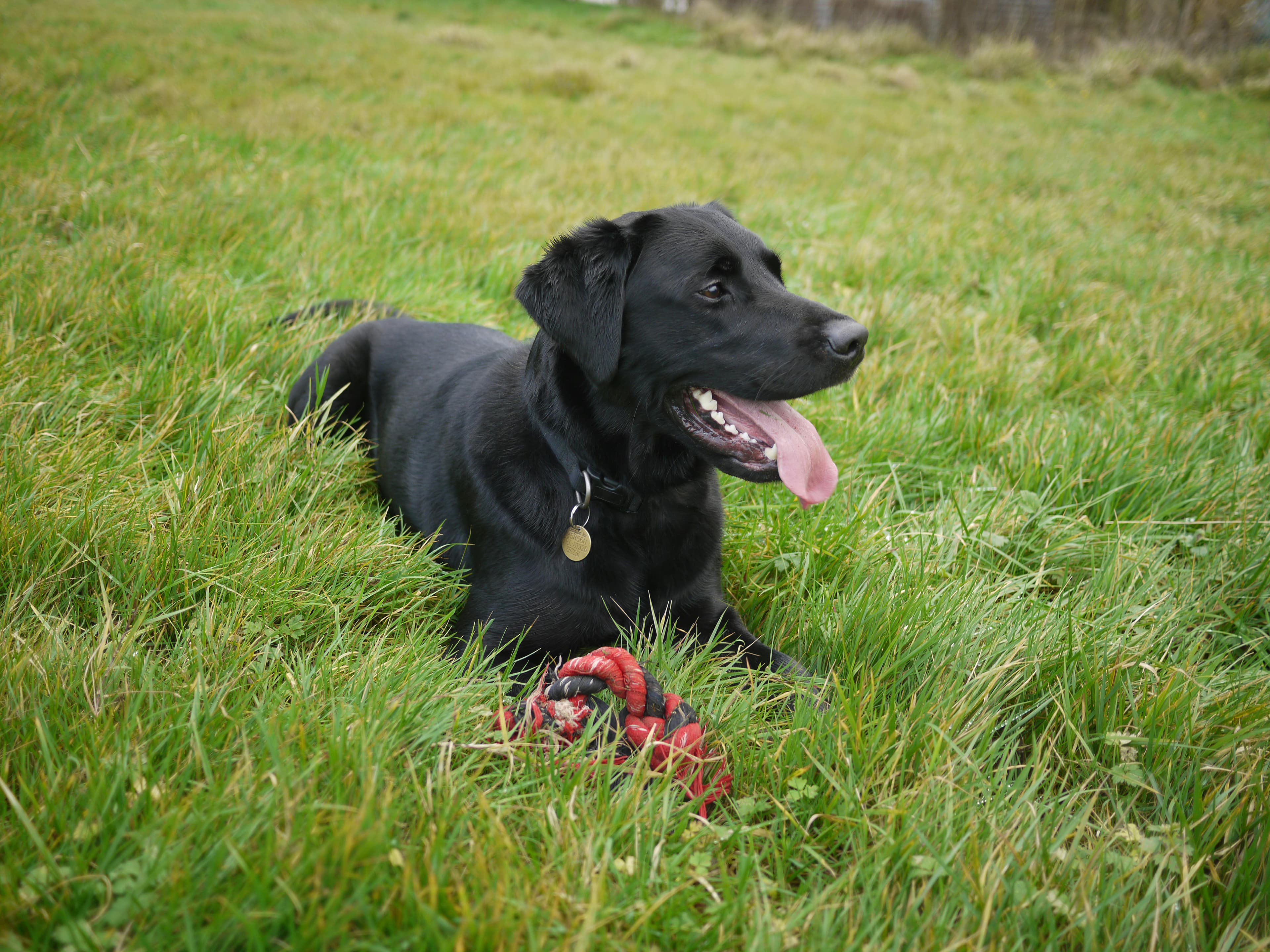
The Labrador Retriever is a medium-to-large sporting breed known worldwide for its friendly nature, trainability, and strong retrieving instincts. Developed from St. John’s water dogs in Newfoundland and refined in the United Kingdom, Labs were bred to assist hunters by retrieving waterfowl and other game from both land and water. Their hallmark traits include a gentle temperament, a water-resistant coat, and an otter-like tail that helps them swim efficiently.
According to the American Kennel Club (AKC), Labrador Retrievers have long ranked among the most popular dog breeds in the United States and many other countries. Their popularity stems from their outgoing personality, strong desire to please, and ability to adapt to a variety of roles. When given adequate exercise, training, and companionship, Labs make exceptionally loyal family pets as well as outstanding working and service dogs.
Breed History & Origin
The Labrador Retriever traces its origins to Newfoundland, off the coast of Canada, where fishermen used sturdy water dogs—often called St. John’s dogs—to retrieve nets, lines, and fish from icy waters. In the 1800s, British sportsmen visiting the region were impressed by these dogs’ retrieving ability and brought them back to England, where they refined the breed for upland and waterfowl hunting.
Over time, careful breeding in the United Kingdom established the modern Labrador Retriever, focusing on a reliable retrieving instinct, a dense water-repellent coat, and a stable, friendly temperament. The AKC recognized the breed in the early 20th century, and the Labrador Retriever Club (LRC) serves as the parent club in the United States. Today, Labs are among the most versatile dog breeds, working as gundogs, service and assistance dogs, search-and-rescue dogs, detection dogs, and beloved family companions.
Physical Characteristics & Breed Standards
Labrador Retrievers are strongly built, medium-to-large dogs with a short, dense coat and a solid, athletic frame. The AKC breed standard describes them as well-balanced, with a broad head, wide muzzle, and kind, intelligent expression. Labs should appear powerful yet agile, reflecting their dual roles as working gundogs and active companions. Their distinctive “otter tail” and water-resistant coat are key features of the breed.
| Characteristic | Male | Female |
|---|---|---|
| Height | 22.5–24.5 inches | 21.5–23.5 inches |
| Weight | 65–80 pounds | 55–70 pounds |
| Lifespan | 11–13 years | |
| Coat Type | Short, dense, straight, weather- and water-resistant double coat | |
| Common Colors | Black, yellow (light cream to fox red), and chocolate | |
Key Physical Features: Labrador Retrievers have a broad head with a pronounced stop, strong jaws, and a relatively wide muzzle. Their medium-sized, expressive eyes are typically brown, though hazel eyes are seen, especially in chocolate Labs. Ears are set slightly above eye level and hang close to the head. The thick, “otter-like” tail is broad at the base and tapers toward the tip, covered in dense coat and carried level with the back when in motion. Their movement is effortless and efficient, reflecting stamina and sound structure.
Temperament & Personality
Labrador Retrievers are renowned for their even-tempered, friendly, and outgoing nature. They are typically sociable with people and other dogs, making them one of the most popular choices for family pets. Labs are highly motivated by food and play, particularly retrieving games, which makes them responsive and easy to train using positive reinforcement methods.
Most Labs are confident and affectionate, often greeting guests enthusiastically. While they can make good watchdogs due to their willingness to bark at unusual activity, they are generally not naturally protective in the same way as guarding breeds. Their gentle disposition and patience often make them excellent companions for children when properly supervised and socialized from a young age.
Labrador Retrievers thrive on human interaction and can develop separation anxiety or boredom-related behaviors if left alone for long periods without adequate mental and physical outlets. They are best suited to homes where they can participate in everyday family activities and have regular training, play, and exercise sessions.
Exercise Requirements by Life Stage
As an energetic sporting breed, Labrador Retrievers require consistent daily exercise to maintain their physical health, manage weight, and prevent behavioral issues. While some show-line Labs may be calmer than high-drive field lines, most need more activity than the average companion dog, especially during adolescence and early adulthood.
| Life Stage | Daily Exercise | Recommended Activities |
|---|---|---|
| Puppies (8 weeks - 12 months) | 5 minutes per month of age, 2x daily | Short, controlled walks, gentle play, basic obedience, socialization, safe exploration (avoid over-exercising growing joints) |
| Adults (1-7 years) | 1–1.5 hours minimum | Brisk walks, swimming, retrieving games, hiking, jogging (once mature), field work, agility, scent games |
| Seniors (7+ years) | 30–60 minutes | Gentle walks, swimming (great for arthritic joints), light retrieving, low-impact games and brain puzzles |
Mental Exercise: Mental stimulation is essential for Labradors, particularly younger dogs and field-bred lines. Incorporate puzzle feeders, basic and advanced obedience, nosework, and retrieving games that require control and focus (such as steadiness before a retrieve). Many Labs excel in obedience, rally, field trials, hunting tests, and scent-based sports, all of which help channel their energy productively.
Grooming & Maintenance Schedule
Labrador Retrievers have a short but dense double coat. The outer coat is straight and somewhat hard, while the undercoat is soft and insulating. Although their coats are relatively low-maintenance compared to long-haired breeds, Labs do shed year-round and may have heavier seasonal shedding. Their coat is naturally water-resistant and should not be over-bathed, as frequent shampooing can strip protective oils.
| Grooming Task | Frequency | Tools/Notes |
|---|---|---|
| Brushing (regular season) | 1–2 times per week | Rubber curry brush or slicker brush to remove loose hair and distribute natural oils |
| Brushing (shedding season) | Several times per week | Undercoat rake or de-shedding tool; more frequent brushing helps manage heavy shedding |
| Bathing | Every 6–8 weeks or as needed | Mild dog-specific shampoo; rinse thoroughly, especially after swimming in lakes or the ocean |
| Nail trimming | Every 3–4 weeks | Trim or grind; nails should not click loudly on hard floors |
| Ear cleaning | Weekly check, clean as needed (especially for swimming Labs) | Veterinary ear cleaner, cotton balls; monitor for redness, odor, or head shaking |
| Dental care | Daily (ideal) or at least 3x per week | Dog toothbrush and toothpaste; dental chews or rinses can supplement brushing |
Nutrition & Feeding Guidelines
Proper nutrition is crucial for Labrador Retrievers, particularly because the breed is prone to obesity. Labs generally have hearty appetites and may overeat if given the opportunity. A balanced diet that supports lean muscle, joint health, and a healthy weight is essential for their long-term wellbeing and ability to stay active.
| Life Stage | Protein | Fat | Daily Amount (Dry Food) | Meals/Day |
|---|---|---|---|---|
| Puppies (2–12 months) | 22–26% | 10–16% | Varies by age/weight; large-breed puppy formulas help support controlled growth | 3–4 |
| Adults (moderately active) | 18–24% | 8–14% | ~2.5–3.5 cups (split into meals), adjusted to maintain an ideal body condition score | 2 |
| Adults (highly active/working) | 24–30% | 14–20% | ~3.5–4.5 cups, increased or decreased based on workload, environment, and condition | 2–3 |
| Seniors (7+ years) | 18–22% | 8–12% | 2–3 cups, tailored to maintain a lean physique and support joint health | 2 |
Essential Nutritional Considerations: Choose diets that list high-quality animal proteins (such as chicken, turkey, fish, or beef) as primary ingredients and avoid excessive calories from fillers and treats. Omega-3 fatty acids support skin, coat, and joint health, while controlled calcium and phosphorus levels are important for growing puppies. Many Labradors benefit from joint supplements containing glucosamine and chondroitin, especially as they age or if they are very active. Because obesity can worsen joint disease and other health issues, regular weight checks and portion control are critical.
Bloat Prevention: Labrador Retrievers are considered a medium-to-large, deep-chested breed and can be at some risk for gastric dilatation-volvulus (GDV or bloat). To reduce risk, divide daily food into two or more meals, discourage rapid gulping of food (slow-feeder bowls can help), and avoid intense exercise for about an hour before and after meals. Always seek emergency veterinary care immediately if you suspect bloat.
Health Considerations & Genetic Screening
Labrador Retrievers are generally robust, but they are predisposed to certain inherited and lifestyle-related conditions. Responsible breeders follow health screening recommendations to reduce the incidence of these issues, and puppy buyers should always ask to see documentation of test results. Maintaining a healthy weight, providing appropriate exercise, and scheduling regular veterinary care are key to maximizing a Lab’s lifespan and quality of life.
Common Health Conditions
| Condition | Prevalence | Description |
|---|---|---|
| Hip Dysplasia | Significant breed concern | Abnormal hip joint development that can cause pain, arthritis, and reduced mobility; managed with weight control, medication, and in some cases surgery. |
| Elbow Dysplasia | Recognized breed risk | A group of developmental elbow abnormalities that can lead to lameness and arthritis, often requiring lifelong management. |
| Progressive Retinal Atrophy (PRA) & Other Eye Diseases | Notable breed concern | PRA and other inherited eye conditions can cause gradual vision loss and, in some cases, blindness; DNA tests and regular eye exams help manage risk. |
| Exercise-Induced Collapse (EIC) | Known genetic disorder in Labs | A condition in which affected dogs may experience muscle weakness, collapse, or disorientation after intense exercise; a DNA test is available to identify carriers and affected dogs. |
| Obesity & Secondary Joint Disease | Very common in the breed | Excess weight increases the risk of arthritis, cruciate ligament tears, diabetes, and other health problems; managed with diet and exercise. |
| Ear Infections (Otitis) | Common due to drop ears and love of water | Moisture and debris in the ear canal can lead to bacterial or yeast infections; regular cleaning and drying after swimming are important preventive measures. |
AKC Recommended Health Screenings
The AKC and the Labrador Retriever Club recommend specific health tests for breeding dogs. Always ask for official documentation of these screenings when selecting a puppy from a breeder:
| Screening Test | Testing Authority | Purpose |
|---|---|---|
| Hip Evaluation | OFA or PennHIP | Screen for hip dysplasia and evaluate joint quality for breeding suitability. |
| Elbow Evaluation | OFA | Screen for elbow dysplasia and related structural issues. |
| Ophthalmologist Evaluation | ACVO/OFA Eye Certification | Screen for inherited eye diseases, including PRA and cataracts, on a regular basis. |
| PRA & Other Eye Disease DNA Tests | OFA or other approved lab | Identify carriers and affected dogs for specific genetic eye disorders. |
| Exercise-Induced Collapse (EIC) DNA Test | OFA or other approved lab | Detect presence of the EIC mutation to avoid breeding two carriers together. |
| Cardiac Evaluation (where indicated) | OFA or veterinary cardiologist | Screen for structural or congenital heart abnormalities, particularly in certain lines. |
Training & Socialization
Labrador Retrievers are highly trainable due to their intelligence, strong work ethic, and desire to please. Their food motivation can make them very responsive to reward-based training, but it also means owners must manage treats carefully to prevent weight gain. Early training helps channel their enthusiasm into good manners and reduces the likelihood of jumping, mouthing, and pulling on leash.
Early Socialization: Begin socialization between 3–14 weeks of age and continue throughout adolescence. Expose your Lab puppy to different people, dogs, environments, and everyday sounds to build confidence and prevent fear-based behaviors. Puppy kindergarten classes are an excellent way to combine socialization with early training.
Training Approach: Positive reinforcement using treats, toys, and praise works best with Labs. They tend to respond quickly to clear, consistent cues, but can become bored if training is repetitive. Short, engaging sessions that incorporate play and retrieving are ideal. Harsh corrections are unnecessary and can damage trust, especially in sensitive individuals.
Recommended Training Programs: Many Labs benefit from AKC S.T.A.R. Puppy and Canine Good Citizen (CGC) programs as foundations for manners. They often excel in obedience, rally, retriever hunt tests, field trials, and scent-based sports such as tracking and nosework. For dogs with suitable temperaments, advanced training can prepare them for service work or therapy dog roles.
Working Roles & Capabilities
Labrador Retrievers are among the most versatile working dogs in the world. Their intelligence, trainability, strong retrieving instinct, and stable temperament make them ideal for a wide variety of roles:
- Hunting & Field Work: Labs are classic waterfowl and upland game retrievers, valued for their ability to locate and retrieve downed birds from land and water in challenging conditions.
- Service & Assistance Dogs: Many Labrador Retrievers are trained as guide dogs for the visually impaired, mobility assistance dogs, medical alert dogs, and psychiatric service dogs.
- Detection Dogs: Labs are widely used in detection work, including narcotics, explosives, agricultural products, and search-and-rescue tasks, thanks to their keen noses and strong motivation to work.
- Therapy & Emotional Support: Their gentle, people-oriented temperament often makes them excellent therapy dogs in hospitals, schools, and elder-care facilities.
- Sport & Performance Dogs: Labrador Retrievers excel in obedience, rally, diving sports, dock diving, and scent-based competitions, where their enthusiasm and athleticism shine.
- Active Family Companion: Above all, many Labs serve as beloved family members who join their owners on hikes, trips to the lake, road trips, and daily adventures.
Frequently Asked Questions
Are Labrador Retrievers good family dogs?
Yes, Labrador Retrievers are widely regarded as excellent family dogs. They are typically friendly, patient, and affectionate with both adults and children. Their playful nature and tolerance make them a popular choice for families, though young Labs can be boisterous and may accidentally knock over small children if not taught good manners. Supervision, training, and appropriate outlets for energy are important in households with kids.
How much does a Labrador Retriever puppy cost?
Costs vary based on region, pedigree, and breeder practices. From reputable breeders who perform recommended health testing and raise puppies in a high-quality environment, Labrador Retriever puppies typically range from around $1,000–$2,500 or more. Puppies from champion field-trial or conformation lines may be higher. Very low prices can indicate a lack of health testing or substandard breeding practices, so always research breeders carefully and ask to see health clearances.
Do Labrador Retrievers shed a lot?
Yes, Labrador Retrievers are moderate to heavy shedders. They shed throughout the year, with heavier seasonal shedding occurring once or twice annually. Regular brushing, especially during shedding seasons, helps remove loose hair and keep the coat healthy. Prospective owners should be prepared for noticeable dog hair on clothing, furniture, and floors.
Are Labrador Retrievers aggressive?
Labrador Retrievers are not typically aggressive. The breed standard emphasizes a kind, outgoing, even-tempered disposition. While any dog can show aggression under certain circumstances, well-bred and well-socialized Labs are generally friendly and tolerant. Poor socialization, fear, pain, or harsh handling can contribute to behavior issues, so early positive training and veterinary care are important for every Labrador.
Can Labrador Retrievers live in apartments?
Labrador Retrievers can live in apartments if their exercise and mental needs are consistently met. This typically means multiple daily walks, play sessions, and training or enrichment activities. Without sufficient activity, Labs may become bored, vocal, or destructive in smaller spaces. Access to nearby parks, dog-friendly trails, or safe off-leash areas is very helpful for apartment-dwelling Labs. Homes with fenced yards often make it easier to provide daily exercise but are not a substitute for interactive activity with their owners.
What is the difference between English (show) and American (field) Labradors?
The terms “English” and “American” Labradors are informal descriptions used to distinguish different lines within the breed. English or show-bred Labs often have a stockier build, broader heads, and may have somewhat calmer temperaments, as they are bred primarily for conformation shows. American or field-bred Labs are typically taller, leaner, and bred for hunting and field work, with higher energy levels and drive. Both types are purebred Labrador Retrievers and can make wonderful companions, though field lines often require more exercise and training to stay well-mannered in a pet home.
Is a Labrador Retriever Right for You?
Labrador Retrievers are best suited for:
- Families and individuals who want a friendly, social companion that enjoys being part of daily life
- Owners who can provide at least 1–1.5 hours of exercise and mental enrichment most days
- People interested in activities such as hiking, swimming, hunting, retrieving games, or dog sports
- Those who appreciate a trainable, food-motivated dog and are willing to invest in regular training and manners
- Homes that can manage shedding and are prepared for regular brushing and basic grooming tasks
- Owners committed to maintaining a healthy weight through portion control, limited treats, and consistent exercise
Labrador Retrievers may not be ideal for people who prefer a very low-energy or independent dog, those who dislike shedding, or households that cannot provide sufficient time for exercise, training, and companionship. When their needs are met, Labs reward their families with unwavering loyalty, affection, and enthusiasm for life.
References & Resources
- 1. American Kennel Club (AKC). "Labrador Retriever Breed Standard." akc.org
- 2. Labrador Retriever Club (LRC). "Health & Genetics Information." thelabradorclub.com
- 3 Orthopedic Foundation for Animals (OFA). "Breed Statistics for Labrador Retrievers." ofa.org
- 4. AKC Canine Health Foundation. "Hip & Elbow Dysplasia in Large Breeds."
- 5. AKC Canine Health Foundation. "Exercise-Induced Collapse (EIC) in Labrador Retrievers."
- 6. American College of Veterinary Ophthalmologists (ACVO). "Inherited Eye Diseases in Dogs."
- 7. Labrador Retriever Club. "Guidelines for Responsible Breeding."
- 8. Veterinary nutrition resources on feeding and weight management in large sporting breeds.