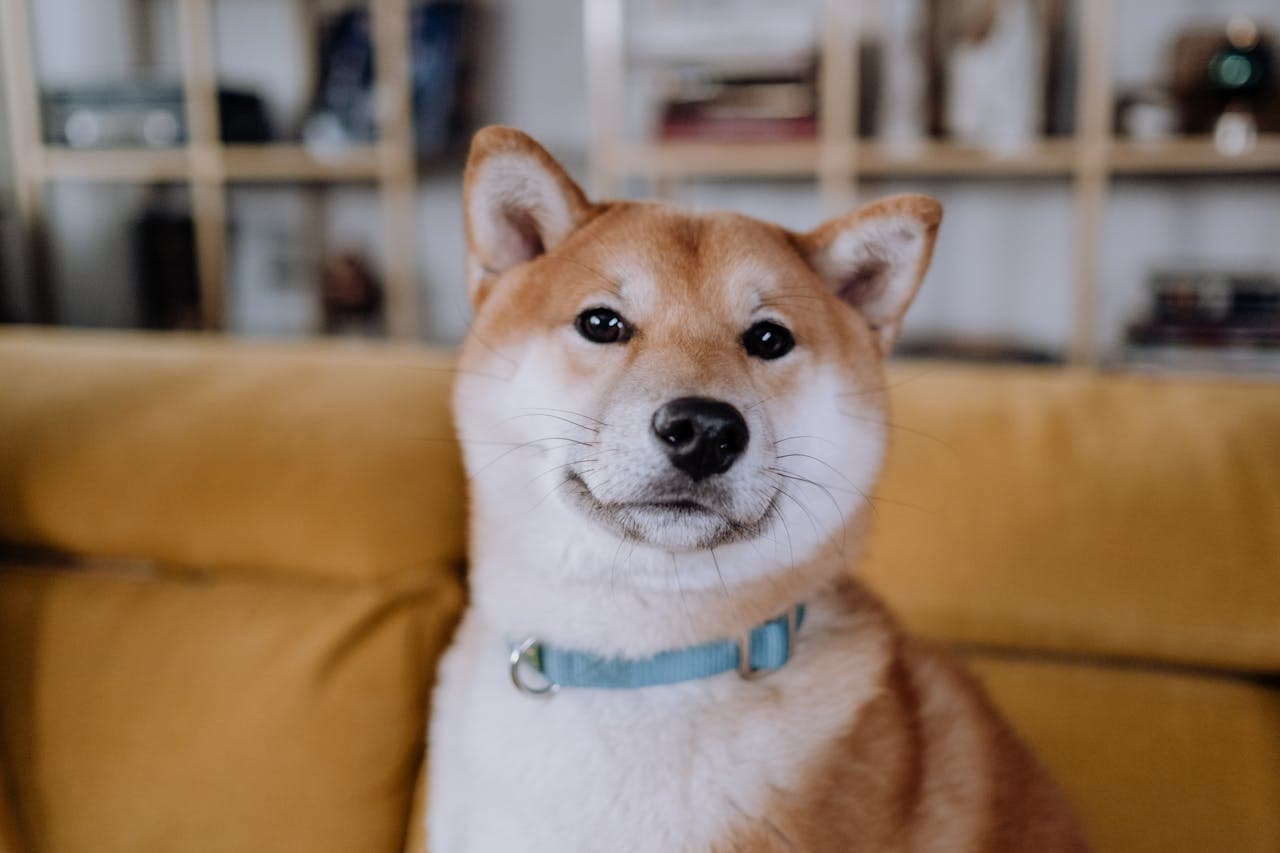
The Shiba Inu is a compact, sturdy Japanese spitz-type breed prized for its alert expression, fox-like features, and confident demeanor. Developed as a versatile hunting dog in Japan's mountainous regions, the Shiba was used to flush and pursue small game and birds over rugged terrain. Today, they are primarily kept as companions, but their keen senses, agility, and self-assured nature remain strongly evident in modern Shibas.
According to the American Kennel Club (AKC), the Shiba Inu is one of the most popular companion breeds in Japan and has a steadily growing following worldwide. Their popularity comes from their charming mix of independence and affection, compact size, and relatively adaptable exercise needs. With thoughtful training, early socialization, and clear boundaries, Shibas make loyal, entertaining companions who bring a lot of personality into the home.
Breed History & Origin
The Shiba Inu is one of Japan's oldest native dog breeds, with roots that may extend back thousands of years. Originally developed in Japan's mountainous regions, Shibas were used by hunters to flush and pursue small game such as birds and rabbits. Their agility, quick reflexes, and keen senses made them well-suited to steep, uneven terrain and dense brush.
The breed nearly disappeared during World War II due to food shortages, bombing, and a post-war distemper outbreak. A small number of surviving dogs from different regions were used in reconstruction efforts, and preservation groups in Japan carefully rebuilt the breed. The Nihon Ken Hozonkai (NIPPO) recognizes the Shiba Inu as one of Japan's six native spitz-type breeds. The Shiba was brought to the United States in the mid-20th century and gained AKC recognition in 1992. Today, Shibas are beloved around the world for their spirited, fox-like presence and distinct Japanese heritage.
Physical Characteristics & Breed Standards
Shiba Inus are small, well-balanced dogs with a compact, muscular build and a strong, agile, athletic outline. According to the AKC breed standard, they should present a combination of strength and elegance, with a slightly longer-than-tall body and efficient, light-footed movement. Their erect ears, curled tail, and keen, triangular eyes give them a distinctive, alert, and fox-like expression.
| Characteristic | Male | Female |
|---|---|---|
| Height | 14.5–16.5 inches | 13.5–15.5 inches |
| Weight | ~18–24 pounds | ~15–20 pounds |
| Lifespan | 12–16 years | |
| Coat Type | Double coat with straight, harsh outer coat and soft, dense undercoat | |
| Common Colors | Red, sesame (red with black-tipped hairs), black & tan, and cream; all should have proper "urajiro" (cream to white markings) on cheeks, chest, belly, and underside of tail | |
Key Physical Features: Shiba Inus have a wedge-shaped head with a broad forehead, moderate stop, and tapering muzzle. Their small, triangular eyes are dark brown with black rims and convey a confident, spirited expression. Ears are small, thick, and triangular, carried firmly erect. The tail is set high, strongly curled or carried in a sickle curve over the back. Their light, nimble gait and compact build reflect their origins as agile mountain hunters.
Temperament & Personality
Shiba Inus are alert, bold, and self-possessed dogs with a distinctly independent streak. They are intelligent and observant, often taking time to assess situations before responding. While many Shibas are affectionate with their families, they generally do not have the "velcro dog" style of some other breeds and may prefer to show love on their own terms.
Shibas tend to be reserved with strangers and can be aloof or selective about new people and dogs. Early and ongoing socialization is essential to help them develop into confident, well-mannered adults. Many have a strong watchdog instinct and will alert bark at unfamiliar noises or visitors, though they are not typically aggressive without cause when responsibly bred and trained.
Their hunting heritage contributes to a high prey drive, especially toward small animals, and they are known for being skilled escape artists if given the opportunity. Shibas are also famous for their expressive vocalizations, including the dramatic "Shiba scream" when they are excited, frustrated, or strongly opinionated about something. Clear boundaries, consistency, and positive training are key to living harmoniously with this spirited breed.
Exercise Requirements by Life Stage
Shiba Inus are active, agile dogs but not endurance athletes in the same way as some working or herding breeds. They do best with a balance of daily walks, opportunities to run and explore safely, and mental enrichment. Without appropriate outlets, Shibas can become bored, vocal, or mischievous—especially young dogs with energy to spare.
| Life Stage | Daily Exercise | Recommended Activities |
|---|---|---|
| Puppies (8 weeks - 12 months) | 5 minutes per month of age, 2x daily | Short, frequent walks; gentle play; basic obedience; socialization; puzzle toys |
| Adults (1–7 years) | 45–90 minutes total (split into sessions) | Brisk walks, controlled off-leash time in secure areas, hiking, fetch, scent games, agility or rally for motivated dogs |
| Seniors (7+ years) | 20–45 minutes, adjusted for health | Gentle walks, light play, sniff walks, low-impact brain games, short training refreshers |
Mental Exercise: Shibas benefit greatly from mental enrichment as well as physical activity. Incorporate food puzzles, snuffle mats, trick training, nosework, and problem-solving games into their routine. Short, focused training sessions tend to work best, as many Shibas dislike repetition and may disengage if they become bored or frustrated.
Grooming & Maintenance Schedule
Shiba Inus have a thick double coat that provides insulation and weather protection. The outer coat is stiff and straight, while the undercoat is soft and dense. Shibas are famously clean dogs that groom themselves much like cats, but they still shed significantly—especially during seasonal "blow out" periods when the undercoat is released in large amounts.
| Grooming Task | Frequency | Tools/Notes |
|---|---|---|
| Brushing (regular season) | 1–2 times per week | Slicker brush or pin brush; focus on removing loose undercoat and preventing mats around neck and thighs |
| Brushing (shedding season) | Daily or every other day during coat blow | Undercoat rake, de-shedding tool; work in sections to gently remove dense undercoat |
| Bathing | Every 6–10 weeks or as needed | Use dog-specific shampoo; avoid over-bathing to protect coat and skin; never shave the double coat |
| Nail trimming | Every 2–4 weeks | Trim or grind; many Shibas are sensitive about handling, so introduce tools slowly with lots of rewards |
| Ear cleaning | Weekly check, clean as needed | Veterinary ear cleaner, cotton balls; ears should be dry and free of redness or strong odor |
| Dental care | Daily (ideal) or at least 3x per week | Dog toothbrush and toothpaste; consider dental chews and professional cleanings as recommended |
Nutrition & Feeding Guidelines
Proper nutrition is essential to support the Shiba Inu's overall health, lean body condition, and long lifespan. As a small to medium-sized, moderately active breed, Shibas generally do well on high-quality commercial diets that emphasize animal-based protein, appropriate fat levels, and controlled calories to prevent excess weight gain.
| Life Stage | Protein | Fat | Daily Amount (Dry Food) | Meals/Day |
|---|---|---|---|---|
| Puppies (2–12 months) | 22–28% | 10–18% | Varies by age/weight; follow veterinary and manufacturer guidelines for small-breed puppies | 3–4 |
| Adults (moderately active) | 18–25% | 8–15% | ~1–1.5 cups (split into meals), adjusted for weight, metabolism, and activity level | 2 |
| Highly active/working adults | 22–30% | 12–18% | ~1.5–2 cups, adjusted to maintain lean condition | 2–3 |
| Seniors (7+ years) | 18–24% | 8–12% | 0.75–1.25 cups, tailored to activity, joint health, and weight management | 2 |
Essential Nutritional Considerations: Choose formulas that list high-quality animal protein (such as chicken, turkey, fish, or lamb) as the first ingredient. Omega-3 and Omega-6 fatty acids support skin and coat health, which can be especially helpful for Shibas with allergies or dry skin. Many Shibas are prone to weight gain if overfed, so monitor body condition regularly and adjust portions as needed. Work with your veterinarian to address any food sensitivities or digestive concerns and to select an appropriate long-term diet.
Treats & Preventing Obesity: Shibas are food-motivated but relatively small, so treats should be used thoughtfully. Keep treats to no more than 10% of daily caloric intake and favor healthy, low-calorie options. Regular exercise, controlled portions, and avoiding excessive table scraps are key to preventing obesity, which can aggravate joint problems and reduce overall lifespan.
Health Considerations & Genetic Screening
Shiba Inus are generally a sturdy, long-lived breed, but they are predisposed to certain inherited and acquired conditions. Responsible breeders use health testing, pedigree research, and careful breeding practices to reduce the incidence of these problems. Prospective owners should understand common health risks and ask breeders for documentation of health clearances for both parents.
Common Health Conditions
| Condition | Prevalence | Description |
|---|---|---|
| Allergies & Atopic Dermatitis | Relatively common | Environmental or food-related allergies causing itching, redness, and recurrent skin or ear infections |
| Patellar Luxation | Noted small-breed concern | Slipping kneecaps that can cause intermittent lameness or, in severe cases, arthritis and discomfort |
| Hip Dysplasia | Lower to moderate risk | Malformation of the hip joint that can lead to pain, decreased mobility, and osteoarthritis |
| Hereditary Eye Diseases | Recognized breed concern | Includes glaucoma, cataracts, and progressive retinal atrophy (PRA), which can impair vision or lead to blindness |
| Hypothyroidism | Documented in the breed | Underactive thyroid gland causing lethargy, weight gain, coat changes, and skin issues; usually manageable with medication |
| Dental Disease | Common small-breed issue | Plaque and tartar buildup leading to gum disease, tooth loss, and potential systemic health effects if untreated |
AKC Recommended Health Screenings
The AKC and the National Shiba Club of America (NSCA) recommend specific health testing for breeding dogs. Always request copies of official health clearances when purchasing a puppy from a breeder:
| Screening Test | Testing Authority | Purpose |
|---|---|---|
| Hip Evaluation | OFA or PennHIP | Screen for hip dysplasia and evaluate joint quality |
| Patella Evaluation | OFA | Assess for patellar luxation (slipping kneecaps) |
| Ophthalmologist Evaluation | ACVO/OFA Eye Certification | Screen for hereditary eye diseases, including glaucoma, cataracts, and PRA |
| Thyroid Evaluation | OFA or certified laboratory | Screen for autoimmune thyroiditis and hypothyroidism |
| Additional DNA Tests (as recommended) | OFA or other approved lab | Identify specific hereditary conditions present in particular lines or regions |
Training & Socialization
Shiba Inus are intelligent and capable learners but also famously independent and strong-willed. Unlike some breeds that live to obey, Shibas often ask, "What's in it for me?" This doesn't mean they are untrainable—only that training must be thoughtful, consistent, and highly rewarding. Owners who appreciate a dog with opinions will enjoy working with this breed.
Early Socialization: Begin socialization as early as possible, ideally between 3–14 weeks of age. Expose your Shiba puppy to a variety of people, friendly dogs, environments, surfaces, and sounds in a controlled, positive way. This helps reduce the risk of reactivity, fearfulness, or intolerance toward handling and supports a confident, adaptable adult dog.
Training Approach: Positive reinforcement methods are essential. Use high-value treats, toys, and praise to reward desired behaviors. Shibas tend to shut down or resist harsh corrections, and physical force can damage trust and create defensive behavior. Keep sessions short, varied, and engaging, and end on a success. Focus on foundational skills such as recall, loose-leash walking, impulse control, and calm behavior during grooming and vet visits.
Recommended Training Programs: Puppy kindergarten, basic manners classes, and AKC S.T.A.R. Puppy are great starting points. Some Shibas also enjoy sports such as agility, rally, trick training, and nosework when training is structured to keep them motivated. Reliable recall can be challenging for many Shibas due to their prey drive and independence, so off-leash freedom should be limited to fully secure areas for most individuals.
Working Roles & Capabilities
Historically, Shiba Inus worked as hunting dogs in Japan, flushing game and navigating steep, difficult terrain. While most modern Shibas live as companions, many of their original traits—alert senses, quick reflexes, and strong prey drive—remain present. Their small size and adaptability make them suitable for various modern roles when paired with the right handler:
- Companion & Watchdog: Most Shibas today are family companions. They are vigilant and quick to alert their owners to unusual sights and sounds, acting as effective watchdogs.
- Dog Sports: Some Shibas participate in agility, rally, obedience, and trick training. Success requires creative, reward-based training and an appreciation for the breed's independent style.
- Nosework & Scent Games: Their keen noses can be channeled into scent-based activities and sports, which provide excellent mental enrichment.
- Therapy & Emotional Support: A subset of Shibas with especially stable, tolerant temperaments may work as therapy or emotional support dogs, though the breed as a whole is generally more reserved than typical therapy breeds.
- Urban & Apartment Companions: With appropriate training, exercise, and mental stimulation, Shibas can adapt well to city living, including apartments, making them popular in dense urban environments.
Frequently Asked Questions
Are Shiba Inus good family dogs?
Shiba Inus can be excellent family companions in the right households. They are typically loyal and affectionate with their own people, but many prefer not to be overly handled or fussed over. They may be best suited to homes with older, respectful children rather than toddlers who might grab or climb. Careful supervision, teaching children appropriate interactions, and providing the dog with safe retreat spaces are important in any family with a Shiba.
How much does a Shiba Inu puppy cost?
Prices depend on region, pedigree, and breeder practices. From responsible breeders who perform health testing and raise puppies in a high-quality environment, Shiba Inu puppies often range from around $1,500–$3,500 or more. Puppies from top show lines or with proven breeding may be higher. Extremely low prices can signal poor breeding practices, lack of health testing, or scams—always research breeders carefully and avoid impulse purchases.
Do Shiba Inus shed a lot?
Yes. Shiba Inus are heavy seasonal shedders due to their dense double coat. They shed moderately throughout the year and typically "blow coat" once or twice annually, releasing large quantities of undercoat over a few weeks. Regular brushing helps manage loose fur and keeps the coat healthy, but prospective owners should expect to see hair on clothing, furniture, and floors—especially during shedding season.
Are Shiba Inus aggressive?
Well-bred, well-socialized Shiba Inus are not inherently aggressive, but they can be assertive, opinionated, and intolerant of rude behavior from other dogs. Some Shibas are dog-selective and may not enjoy busy dog parks. Early socialization, continued training, and responsible management are key to preventing reactivity or resource guarding. Pain, fear, or poor handling can contribute to behavior issues in any breed, so work closely with trainers and veterinarians if concerns arise.
Can Shiba Inus live in apartments?
Yes, Shibas can adapt well to apartment living as long as their exercise and mental needs are met. They are relatively small, generally quiet between barking episodes, and are typically clean indoors. However, they still need daily walks, playtime, and enrichment. Secure doors, gates, and harnesses are essential, as many Shibas are escape artists with strong prey drive and poor off-leash reliability.
What is the difference between Japanese and American Shiba Inu lines?
Shiba Inus bred in Japan versus those bred in other countries (including the United States) may show subtle differences in type, size, and emphasis on specific traits. Japanese lines often adhere very closely to NIPPO standards and traditional aesthetics, while American and European lines may lean more strongly toward AKC/FCI conformation preferences. Regardless of origin, reputable breeders prioritize health, sound structure, and stable temperament. For most pet owners, choosing a responsible breeder matters far more than the exact regional line.
Is a Shiba Inu Right for You?
Shiba Inus are best suited for:
- Owners who appreciate an independent, cat-like dog with a strong personality
- People willing to invest in early and ongoing training, socialization, and enrichment
- Families with older children or adults who understand respectful dog handling
- Individuals or couples seeking a moderately active companion for walks, hikes, and everyday urban or suburban life
- Homes with secure fencing, gates, and careful management to prevent escapes
- Owners comfortable with shedding and regular grooming, especially during seasonal coat blow periods
- People who enjoy a dog with opinions, quirks, and expressive communication rather than a constantly eager-to-please personality
Shiba Inus may not be ideal for first-time dog owners who prefer an easily trainable, highly compliant breed, households that want a very cuddly or physically affectionate dog, or families expecting a reliable off-leash companion. In the right home—one that values their independence and invests in training—Shibas can be delightful, loyal, and endlessly entertaining companions.
References & Resources
- 1. American Kennel Club (AKC). "Shiba Inu Breed Standard." akc.org
- 2. National Shiba Club of America (NSCA). "Health & Breed Information."
- 3. Nihon Ken Hozonkai (NIPPO). "Japanese Native Breeds Overview."
- 4. Orthopedic Foundation for Animals (OFA). "Breed Statistics for Shiba Inus."
- 5. Veterinary dermatology and nutrition resources on allergy management in small breeds.
- 6. AKC Canine Health Foundation. "Inherited Eye Diseases in Purebred Dogs."
- 7. NSCA. "Guidelines for Responsible Shiba Inu Breeders."
- 8. Various veterinary behavior resources on training independent and spitz-type breeds.