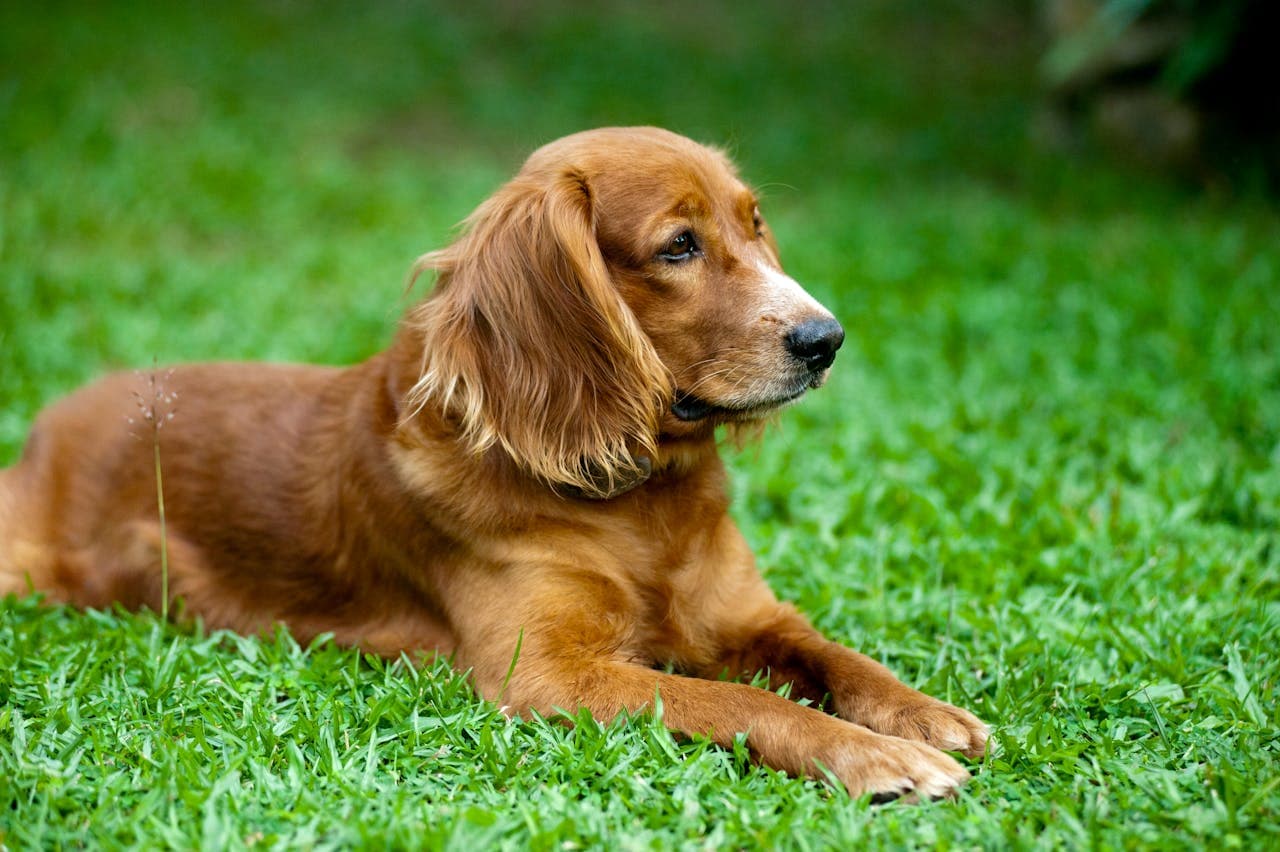
The Golden Retriever is a friendly, intelligent, and adaptable sporting breed known for its warm temperament and impressive trainability. Developed in the 19th century in Scotland for retrieving waterfowl, Goldens quickly became cherished not only for their working ability but also for their gentle, affectionate nature.
According to the American Kennel Club (AKC), Golden Retrievers consistently rank among the top three most popular dog breeds in the United States. Their reliability, friendliness, and desire to please make them excellent family pets, service dogs, therapy dogs, and athletic partners in various dog sports.
Breed History & Origin
Golden Retrievers were developed in the Scottish Highlands during the mid-to-late 1800s by Sir Dudley Marjoribanks (Lord Tweedmouth). Seeking the ideal gundog for retrieving game on rugged terrain and in cold waters, he crossed yellow retrievers with Tweed Water Spaniels, later incorporating Irish Setters and Bloodhounds.
The breed became recognized for its excellent nose, soft mouth, athleticism, and cooperative temperament. Golden Retrievers were officially recognized by the AKC in 1925 and have since become a global favorite. Their calm demeanor and intelligence make them highly versatile in roles such as service dog work, therapy, search-and-rescue, and competitive obedience.
Physical Characteristics & Breed Standards
Golden Retrievers are medium-to-large sporting dogs known for their muscular build, balanced proportions, and dense, water-repellent double coat. According to the AKC, they should present a friendly, intelligent expression, powerful movement, and a strong retrieving instinct.
| Characteristic | Male | Female |
|---|---|---|
| Height | 23–24 inches | 21.5–22.5 inches |
| Weight | 65–75 pounds | 55–65 pounds |
| Lifespan | 10–12 years | |
| Coat Type | Water-repellent double coat; wavy or straight | |
| Common Colors | Light golden, golden, dark golden | |
Key Physical Features: Goldens have a broad head, friendly dark eyes, well-developed chest, and a powerful yet smooth gait. Their trademark feathered tail carries with a slight upward curve, and their dense coat protects them during outdoor activities and water work.
Temperament & Personality
Golden Retrievers are famously friendly, outgoing, and dependable. They thrive on human interaction, bonding closely with their families and showing remarkable patience with children. Their even-tempered nature and emotional intelligence make them excellent therapy and service dogs.
Goldens are enthusiastic learners and highly motivated by food and praise, making them easy to train. While generally sociable with strangers and other dogs, they may be overly friendly rather than protective, making them good companions but not ideal guard dogs.
Exercise Requirements by Life Stage
As active sporting dogs, Golden Retrievers require daily exercise to maintain physical and mental health. Without enough activity, they may develop restlessness, excessive chewing, or weight gain.
| Life Stage | Daily Exercise | Recommended Activities |
|---|---|---|
| Puppies (8 weeks–12 months) | 5 minutes per month of age, 2x daily | Controlled play, socialization, gentle walks |
| Adults (1–7 years) | 1–2 hours | Fetch, swimming, hiking, jogging, obedience training |
| Seniors (7+ years) | 30–45 minutes | Gentle walks, swimming, enrichment games |
Mental Exercise: Puzzle toys, scent work, hide-and-seek, trick training, and structured play help keep Golden Retrievers mentally stimulated.
Grooming & Maintenance Schedule
Golden Retrievers have a thick double coat that sheds moderately year-round and heavily in spring and fall. Regular grooming helps prevent matting and reduces shedding.
| Grooming Task | Frequency | Tools/Notes |
|---|---|---|
| Brushing | 2–3 times/week (daily during shedding) | Slicker brush, undercoat rake |
| Bathing | Every 4–8 weeks | Gentle dog shampoo; avoid over-bathing |
| Nail trimming | Every 2–3 weeks | Trim or grind |
| Ear cleaning | Weekly check | Vet ear cleaner; Goldens are prone to ear infections |
| Dental care | Daily or 3x per week minimum | Dog toothpaste + dental chews |
Nutrition & Feeding Guidelines
Golden Retrievers thrive on balanced diets rich in high-quality protein, healthy fats, and controlled calories. Because they are prone to obesity, portion control is essential.
| Life Stage | Protein | Fat | Daily Amount (Dry Food) | Meals/Day |
|---|---|---|---|---|
| Puppies | 22–26% | 10–15% | Follow large-breed puppy guidelines | 3–4 |
| Adults | 18–24% | 8–12% | 2–3.5 cups | 2 |
| Seniors | 18–22% | 8–12% | 1.5–3 cups | 2 |
Bloat Prevention: Golden Retrievers can be at risk for gastric dilatation-volvulus (GDV). Feed smaller meals, avoid heavy exercise around feeding times, and consider slow-feeder bowls.
Health Considerations & Genetic Screening
Golden Retrievers are generally healthy but are predisposed to several hereditary conditions. Responsible breeders perform essential health testing to reduce risks.
Common Health Conditions
| Condition | Prevalence | Description |
|---|---|---|
| Hip Dysplasia | Moderate | Improper hip development leading to arthritis |
| Elbow Dysplasia | Moderate | Joint abnormalities causing lameness |
| Hereditary Eye Diseases | Notable | Includes cataracts, PRA, pigmentary uveitis |
| Cancer | High breed risk | Golden Retrievers have elevated risk of lymphoma and hemangiosarcoma |
| Heart Conditions | Moderate | Subaortic stenosis (SAS) |
| Allergies | Common | Skin allergies, ear infections, and food sensitivities |
AKC Recommended Health Screenings
The AKC and Golden Retriever Club of America (GRCA) recommend the following health tests for breeding dogs:
| Screening Test | Authority | Purpose |
|---|---|---|
| Hip Evaluation | OFA or PennHIP | Detect hip dysplasia risk |
| Elbow Evaluation | OFA | Detect elbow dysplasia |
| Eye Examination | ACVO/OFA | Screen for hereditary eye issues |
| Cardiac Evaluation | OFA | Detect heart conditions such as SAS |
Training & Socialization
Golden Retrievers are among the most trainable breeds thanks to their intelligence, gentleness, and eagerness to please. They excel in positive-reinforcement training and thrive with consistent structure and mental stimulation.
Early Socialization: Introduce your Golden puppy to people, pets, environments, and experiences during the critical 3–14 week window to promote confidence and prevent fearfulness.
Training Approach: Use rewards, praise, and gentle redirection. Goldens are sensitive and can shut down under harsh corrections.
Working Roles & Capabilities
Golden Retrievers excel in a wide range of roles:
- Service Dogs: Mobility support, medical alert, autism support
- Therapy Dogs: Ideal for hospitals, schools, nursing homes
- Search & Rescue: Excellent scenting abilities
- Hunting/Field Work: Skilled retrievers
- Dog Sports: Agility, obedience, dock diving
- Family Companions: One of the most loyal and affectionate breeds
References & Resources
- 1. American Kennel Club (AKC). “Golden Retriever Breed Standard.”
- 2. Golden Retriever Club of America (GRCA). “Health & Genetics.”
- 3. Orthopedic Foundation for Animals (OFA). “Golden Retriever Health Statistics.”
- 4. Morris Animal Foundation. “Golden Retriever Lifetime Study.”
- 5. AKC Canine Health Foundation. “Inherited Eye Diseases in Sporting Breeds.”
- 6. Veterinary Partner / VCA Hospitals. “Golden Retriever Nutrition & Care.”
- 7. GRCA. “Recommended Health Testing for Golden Retrievers.”
- 8. Various veterinary nutrition sources for large-breed diets.